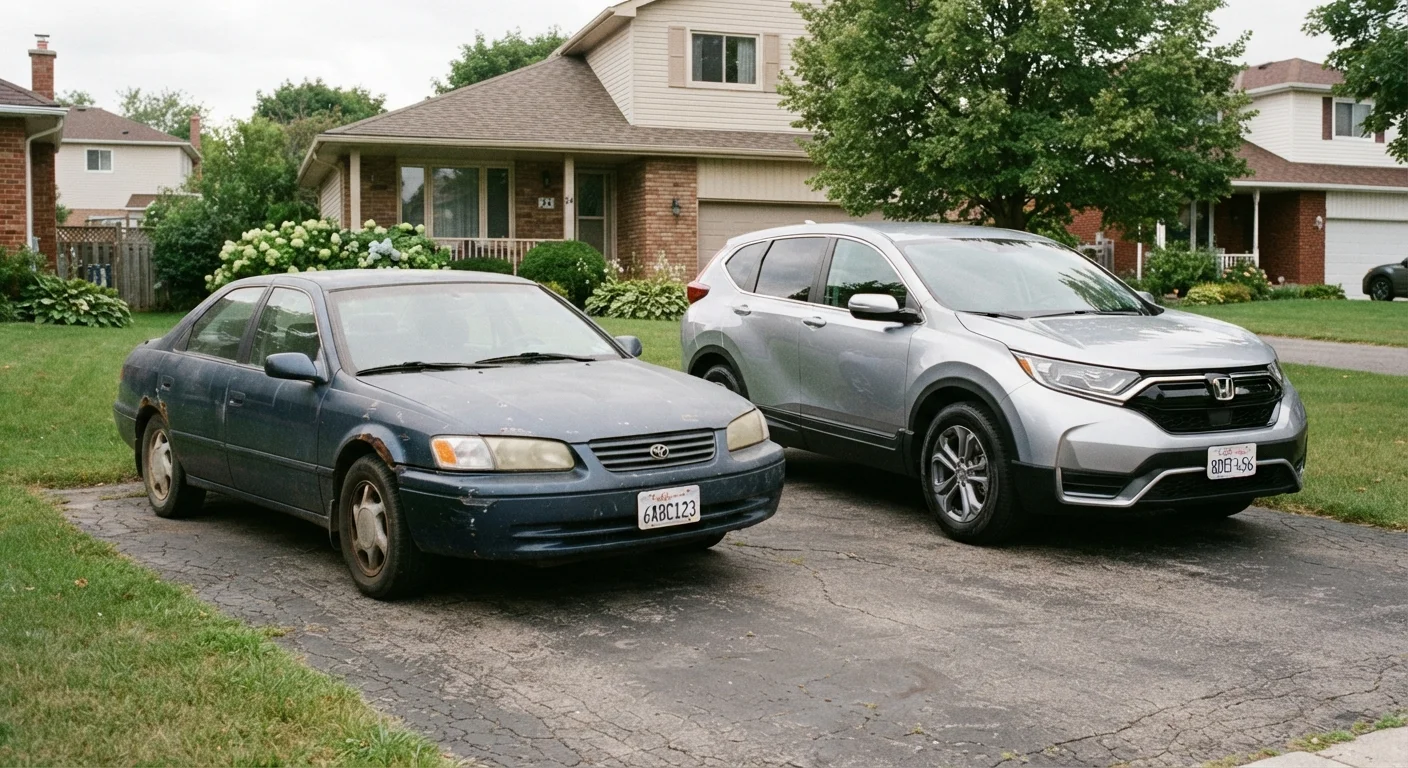


How more than one policy ends up on the same loss
Most drivers carry a single auto policy and never think about overlap. But several common situations put more than one policy within reach of the same accident. A teenager covered under a parent's policy may also be named on a separate policy for a car they own. A spouse who commutes in one vehicle might be listed on a partner's policy for another. Someone who occasionally drives a car they do not own may have coverage through the vehicle owner's policy and through their own.
Each of these situations creates a question: when a loss happens, which policy pays, and how much? The answer depends on the specific language in each policy, the type of coverage involved, and the law in the state where the vehicle is registered. For a primer on what each coverage type does on its own, see what every driver is actually paying for.
Primary and excess: the order policies pay
When two policies both cover a loss, they do not simply add up. Insurers use a concept called coordination of coverage to decide which policy is primary (pays first) and which is excess (pays only after the primary is exhausted).
Most auto policies include an 'other insurance' clause that spells this out. A typical clause says the policy is primary for a vehicle the insured owns and excess for a vehicle they do not own. So if you borrow a friend's car and have an accident, the owner's policy usually pays first. Your own policy may cover remaining costs up to its limits, but only after the owner's insurer has paid its share.
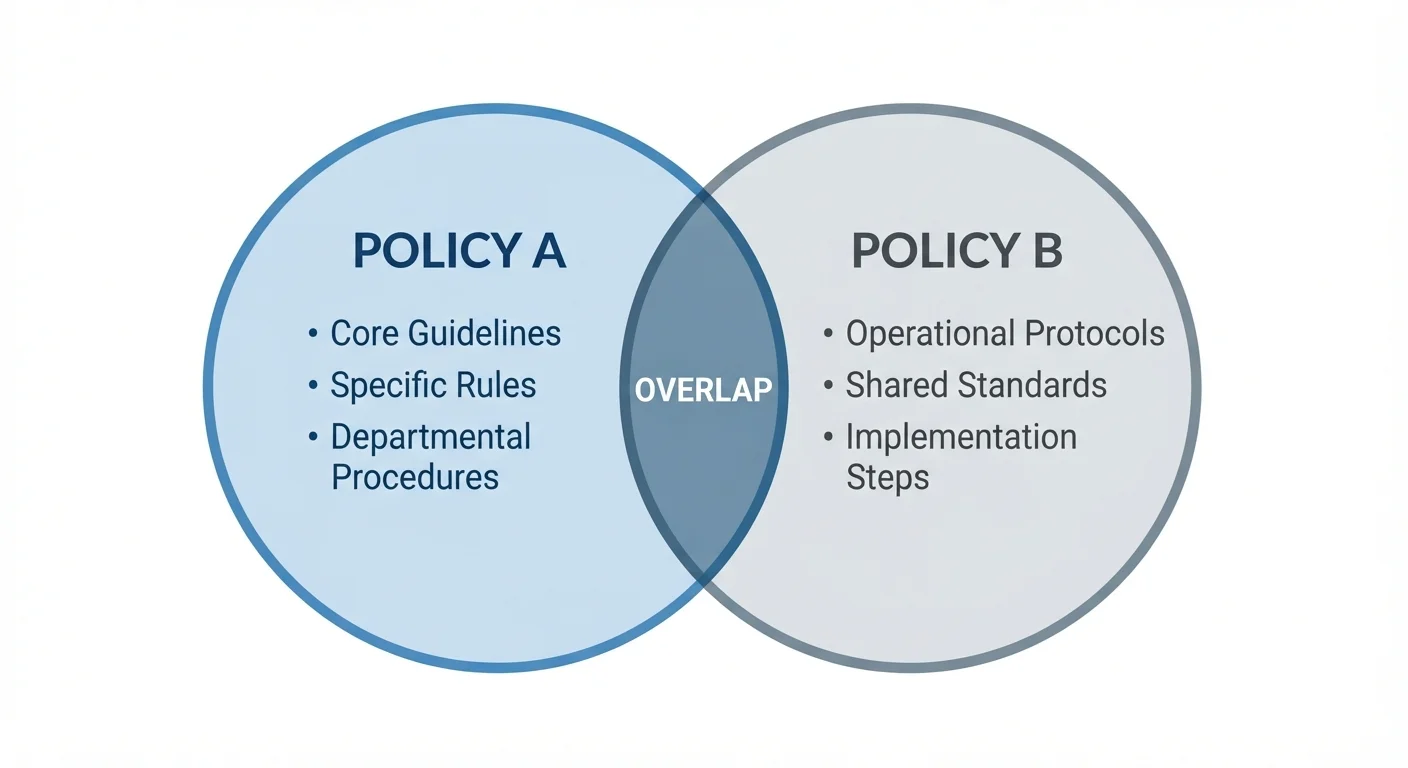
Problems arise when both policies contain clauses that say they are excess. Courts and state insurance regulators have had to sort out these conflicts, and the outcome varies by jurisdiction. This is one reason minimum coverage can leave real gaps: even when a second policy exists on paper, it may not respond the way a driver expects.
Check the 'other insurance' clause first
Every standard auto policy includes an 'other insurance' provision somewhere in the policy document, often in the general conditions section. This clause tells you exactly how the insurer intends to coordinate with other coverage. Reading it before an accident happens, not after, is the most practical step a policyholder can take.
Stacking UM/UIM coverage across vehicles or policies
Uninsured motorist (UM) and underinsured motorist (UIM) coverage are where the stacking question gets most attention. If a household owns three vehicles, each with a $50,000 UIM limit, can a seriously injured driver collect up to $150,000 by stacking all three policies? In some states, yes. In others, no.
States generally fall into three groups. Some permit stacking and void any anti-stacking clause the insurer tries to include. Some prohibit stacking entirely. Others allow insurers to include anti-stacking language and enforce it if the policyholder was informed and paid a lower premium because of it.
Because the rules shift across state lines, the only reliable approach is to check your policy documents and confirm with a licensed agent. Your state's department of insurance also publishes consumer guides on this topic at no cost.
Household policies and what they cover for family members
A common source of confusion is how household member definitions interact across policies. One policy may define a covered driver as anyone residing in the household. Another may list only named insureds. If two adults in a home each carry their own policy, neither policy may automatically cover the other person as a driver.
This matters especially when a household member drives a vehicle not registered to them. Vehicle value also shapes the coverage conversation: an older car with a lower value may not justify carrying collision on a second policy, but that decision affects what is available when coverage stacks.
Drivers who use personal vehicles for work, deliveries, or rideshare face an additional layer. Personal policies commonly exclude business use, and a commercial policy may have its own rules about how it interacts with personal coverage. That boundary is worth understanding before assuming both policies will respond to the same incident. See where personal coverage ends and commercial coverage begins for more on that distinction.
This article is for general informational purposes only and is not personalized insurance, financial, or legal advice. Coverage terms, exclusions, and applicable state laws vary by insurer and location. Read your policy documents carefully and consult a licensed insurance agent or your state's department of insurance for guidance specific to your situation.