
What personal auto insurance actually covers
A personal auto policy is designed for private, non-commercial use. That means driving to work, running errands, taking road trips, and letting a family member borrow the car. The policy follows the vehicle and, in most cases, extends to listed drivers in your household.
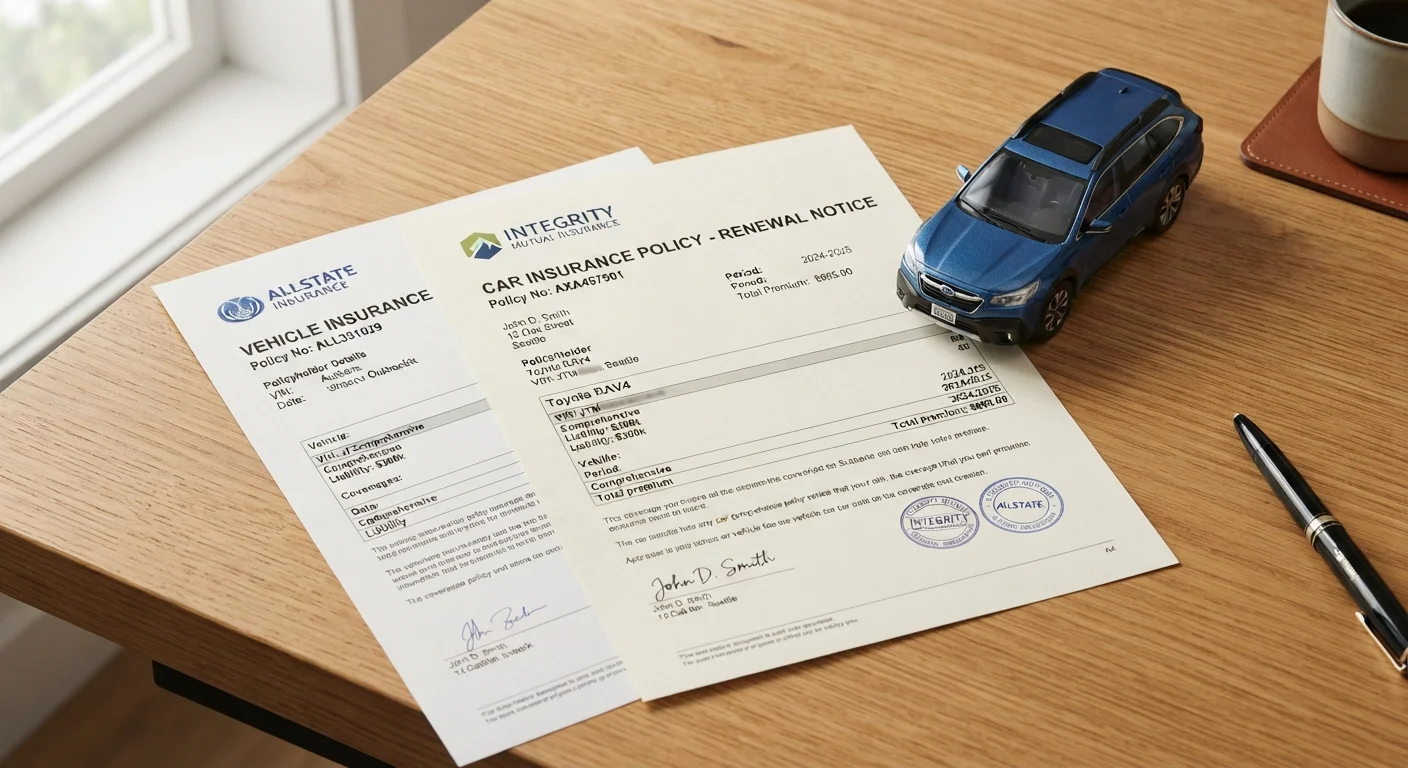
Standard personal policies include some combination of liability, collision, comprehensive, medical payments, and uninsured motorist coverage. If you want a closer look at what each of those does, this breakdown of auto insurance coverage types covers the mechanics of each.
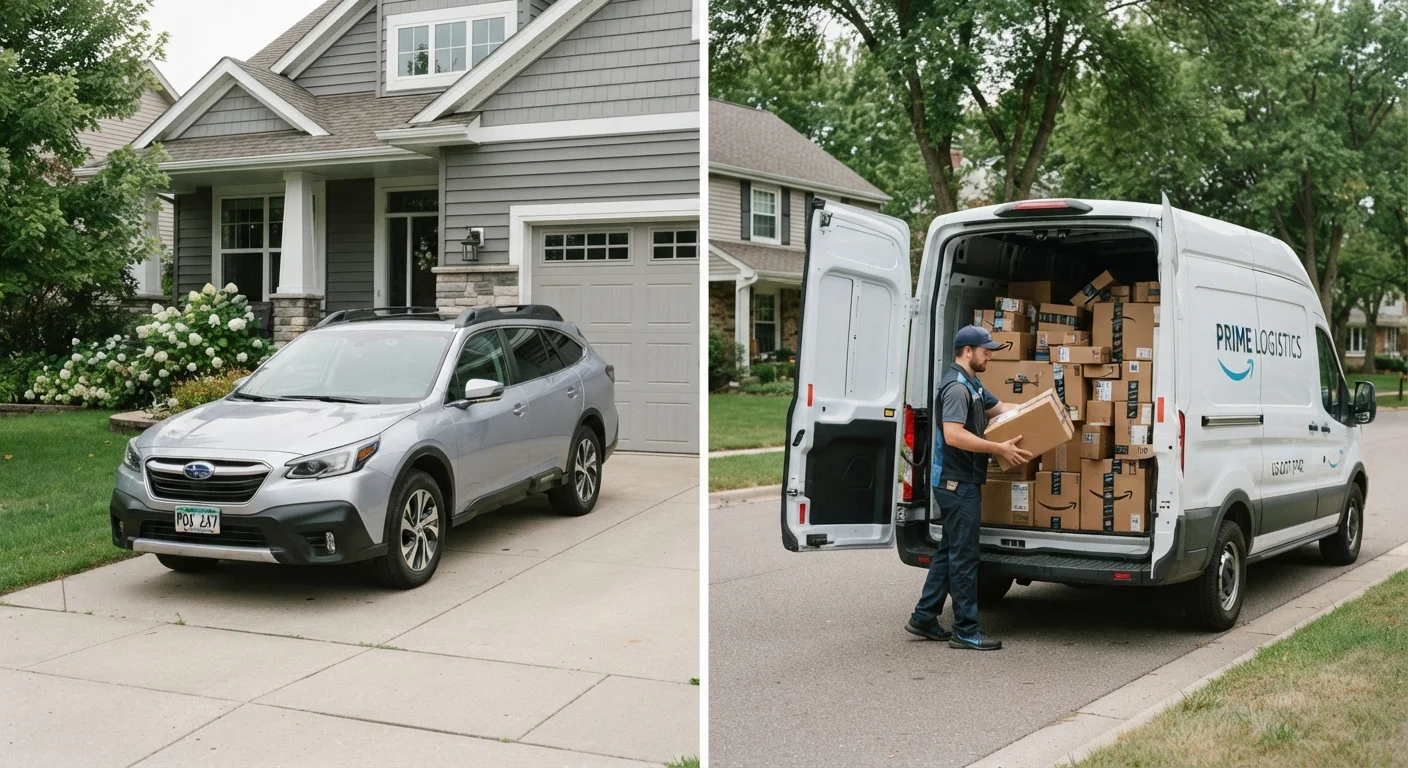
The common thread across personal policies is the assumption that you are not making money from the vehicle. Insurers price personal policies based on that assumption, and most policies include language that excludes claims arising from business or commercial use.
Where personal coverage ends
The exclusion language varies by policy, but the general pattern is this: if you are using your vehicle to earn income, your personal policy may not respond to a claim that happens during that activity.
Common situations where personal coverage can lapse:
- Driving for a rideshare platform (the period between accepting a ride and completing it is especially contested)
- Delivering food, groceries, or packages for an app-based service
- Transporting clients or customers as part of a job
- Using a personal vehicle to haul tools, equipment, or goods for a business
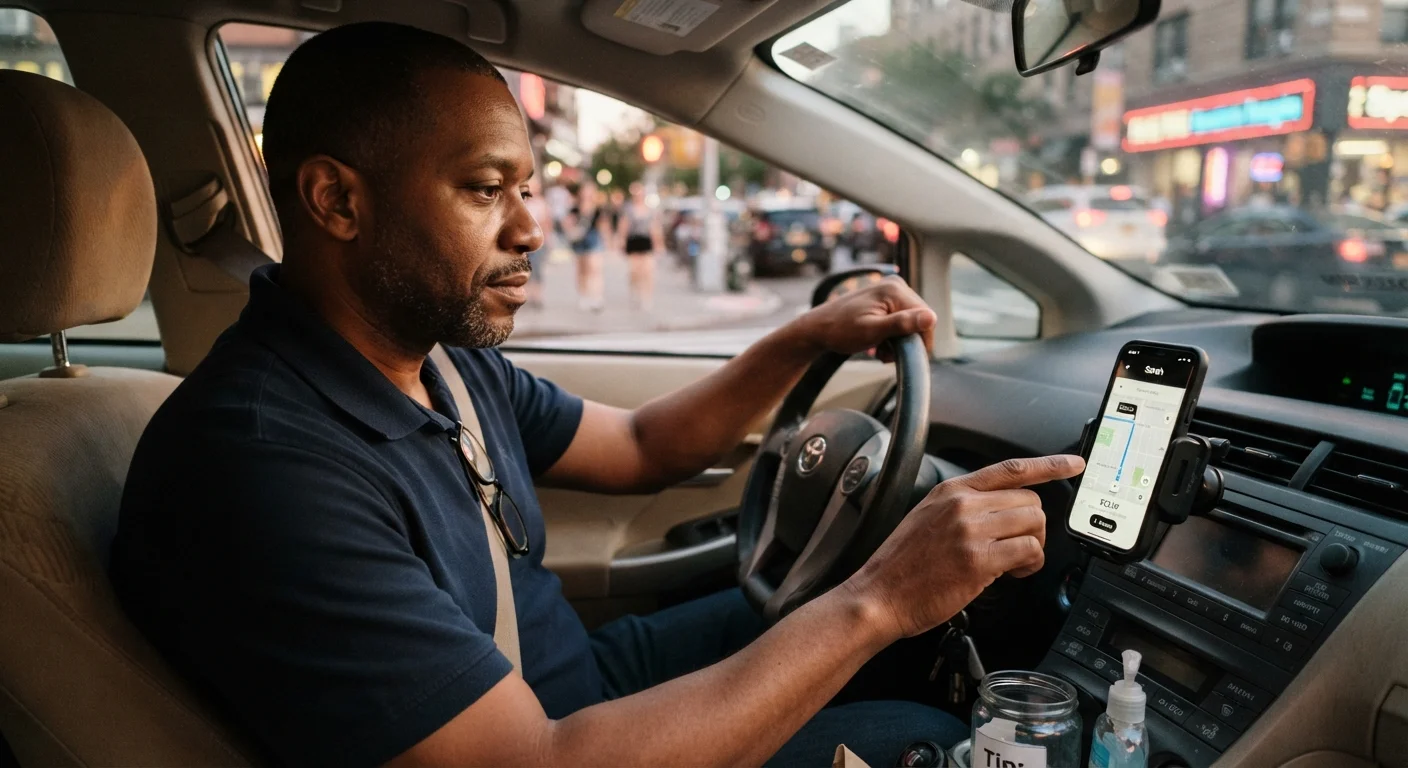
The rideshare scenario gets complicated because the platform's own insurance may apply in certain phases of a trip, but gaps exist, particularly when the app is on and you are waiting for a match. How multiple policies interact explains how layered coverage works and where conflicts can arise.
What commercial auto insurance covers differently
A commercial auto policy is built for vehicles used primarily for business. It covers higher liability limits, different vehicle types (vans, trucks, fleets), and use cases that personal policies exclude. Businesses that own vehicles outright typically need a commercial policy in the company's name.
Commercial policies also extend to employees or contractors who drive the vehicle on behalf of the business. That is a meaningful difference: a personal policy generally does not cover someone other than a listed household member driving for work purposes.
| Personal auto | Commercial auto | |
|---|---|---|
| Primary use case | Commuting, errands, personal travel | Business operations, client transport, delivery fleets |
| Typical liability limits | State-minimum to moderate | Higher limits standard |
| Named insureds | Individual and household members | Business entity and employees |
| App-based driving (rideshare, delivery) | Usually excluded or limited | Covered when policy is structured for it |
| Vehicle types | Passenger cars, personal trucks, SUVs | Vans, trucks, fleets, specialty vehicles |
| Cost relative to personal use | Lower (reflects personal use) | Higher (reflects broader exposure) |
Premiums on commercial policies are generally higher than personal ones, reflecting the broader use and higher liability exposure. The exact cost depends on the type of vehicle, how it is used, how many drivers are covered, and the coverage limits selected.
The middle ground: endorsements and hybrid coverage
Not every driver who earns income from their car needs a full commercial policy. Insurers have responded to app-based work by creating endorsements (add-ons to an existing personal policy) that fill part of the coverage gap.
A rideshare endorsement, for example, may extend your personal policy to cover the period when the app is on but no ride has been accepted. Some delivery-specific endorsements work similarly. These add-ons cost less than a separate commercial policy, but they have their own limits and exclusions.
Whether an endorsement is enough depends on how much of your driving is commercial and what your insurer's policy language says. A licensed insurance agent can review your specific situation and policy terms. General information on coverage structures is a starting point, but policy documents and a conversation with your insurer are where you get the actual answer.
If you are new to thinking through coverage decisions, this practical guide for first-time car owners walks through the questions worth asking before committing to any policy.
What to do if your use has changed
If you have started driving for a delivery or rideshare platform, or if your job now involves regular client visits in your personal vehicle, the right move is to contact your insurer and describe how you are using the car. Withholding that information can result in a denied claim later.
Insurers can adjust your policy, add an endorsement, or let you know if you need a separate commercial product. Some will non-renew a policy if they learn commercial use was not disclosed, which creates gaps in your coverage history.
A gap in coverage can also affect future premiums. Situations where minimum coverage falls short covers other scenarios where coverage gaps create real financial risk.
This article is for general informational purposes only and is not personalized insurance, financial, or legal advice. Coverage terms, exclusions, and eligibility vary by insurer and state. Read your actual policy documents and consult a licensed insurance agent for guidance specific to your situation.