

Why coverage type matters more than price alone
When you buy auto insurance for the first time, the premium is the number that stands out. It should not be the only number you look at. Two policies with the same monthly cost can carry very different coverage limits, deductibles, and exclusions. A policy that pays less up front but leaves a $50,000 liability gap is not a fair comparison to one that covers it.
Understanding what each coverage type actually does is the first step toward reading a quote accurately. The sections below walk through the pieces so you can compare them directly.
Premium
The amount you pay, usually monthly or every six months, to keep your auto insurance policy active.
Deductible
The dollar amount you pay out of pocket on a covered claim before the insurer pays the rest.
Liability coverage
Pays for injuries or property damage you cause to others in an accident. It does not cover your own vehicle or medical costs.
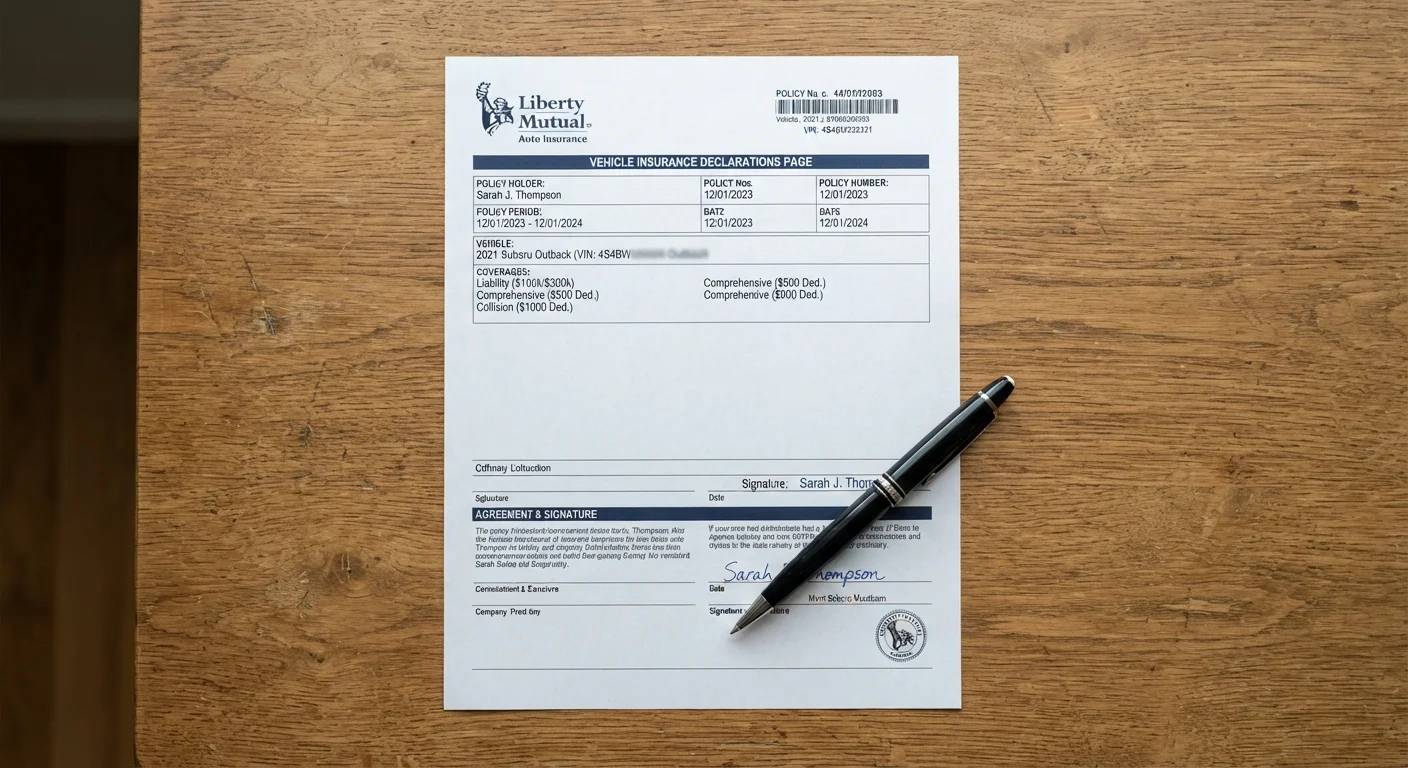
Declarations page
A one- or two-page summary at the front of your policy showing your coverage types, limits, deductibles, and the vehicles or drivers covered.
Coverage limit
The maximum dollar amount your insurer will pay for a covered claim. Costs above that limit are your responsibility.
Comprehensive coverage
Covers damage to your vehicle from events other than a collision, such as theft, weather, or fire.
The core coverage types and what they do
Auto insurance is not a single product. It is a set of separate coverages bundled into one policy. You can usually adjust each one.
Liability
Liability coverage pays for bodily injury and property damage you cause to others. It does not pay for your own vehicle or your own medical bills. Liability limits are written as three numbers, for example 25/50/25, meaning $25,000 per injured person, $50,000 per accident, and $25,000 for property damage.
Collision
Collision pays to repair or replace your car after a crash with another vehicle or object, regardless of who was at fault. You choose a deductible, and the insurer covers the rest up to the vehicle's actual cash value.
Comprehensive
Comprehensive covers damage from events outside a collision: theft, vandalism, hail, flood, fire, or animal strikes. Like collision, it is subject to a deductible you select. As your car ages and its value drops, the math on whether to carry these two coverages changes.
Uninsured and underinsured motorist
If another driver hits you and has no insurance or too little to cover your costs, this coverage fills the gap. Some states require it; others leave it optional.
Medical payments and personal injury protection
Medical payments (MedPay) covers medical bills for you and your passengers after an accident, regardless of fault. Personal injury protection (PIP) is similar but broader, covering lost wages and other costs in states that require it. Not all states offer or require both.
What drives your premium
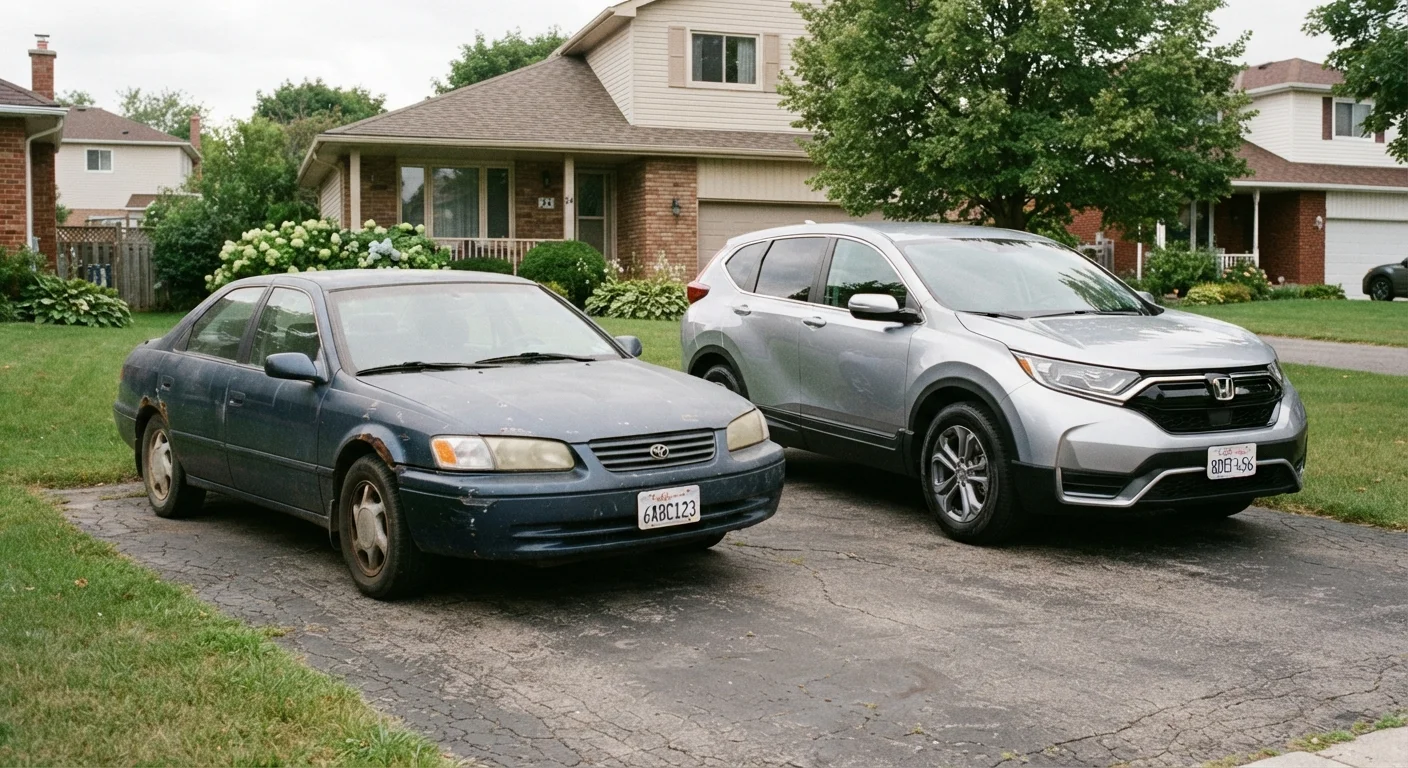
Insurers calculate premiums by estimating how likely you are to file a claim and how costly that claim might be. The main factors include:
- Your driving record (accidents, tickets, prior claims)
- The type, age, and value of your vehicle
- Where you live and where you park
- How many miles you drive annually
- Your age and years of licensed driving experience
- In most states, a credit-based insurance score
Several common beliefs about what raises or lowers premiums do not hold up to scrutiny. Checking the facts before you shop helps you focus on factors that actually matter.
Read your declarations page first
Before your policy takes effect, pull out the declarations page and confirm the coverage limits and deductibles match what you agreed to. Errors in the application, such as a wrong vehicle identification number, can affect a claim. Catching them early is straightforward; catching them after an accident is not.
State minimums and where they fall short
Every state except New Hampshire requires drivers to carry at least a minimum level of liability insurance. New Hampshire requires proof of financial responsibility instead. State minimums vary widely, and many were set at levels that no longer reflect the cost of a serious accident.
Meeting the minimum keeps you legal. It does not protect your personal assets if a court orders you to pay damages beyond your policy limits. The scenarios where low limits create real financial risk are worth understanding before you settle on your coverage amounts.
Minimum coverage may not protect your finances
State-mandated minimums are legal thresholds, not financial safety nets. If you cause an accident that results in serious injuries, low liability limits can leave you personally responsible for costs that exceed your policy. See when minimum coverage falls short for a closer look at the gaps.
Questions to ask before you sign
Before committing to a policy, get clear answers to these questions from your agent or the insurer's representative:
- What are the exact liability limits, and what do they cover per person versus per accident?
- What deductibles apply to collision and comprehensive, and can I change them?
- Are there any exclusions that would apply to how I use this vehicle? (If you use your car for deliveries or ridesharing, personal coverage may not apply in some situations.)
- How does the insurer calculate actual cash value if my car is totaled?
- What is the process for filing a claim, and what documentation will I need?
Reading your declarations page and asking these questions before you need to use your coverage is the most straightforward way to avoid surprises after an accident.
This article is for general informational purposes only and is not personalized insurance, financial, or legal advice. Coverage terms, exclusions, and state requirements vary by provider and location. Read your policy documents carefully and consult a licensed insurance agent for guidance on your specific situation.