
What minimum coverage actually includes
Every state except New Hampshire requires drivers to carry some form of auto liability insurance. Liability coverage pays for bodily injury and property damage you cause to other people in an at-fault accident. What it does not include is any protection for your own vehicle, your own medical bills, or damage caused by a driver who has no insurance.
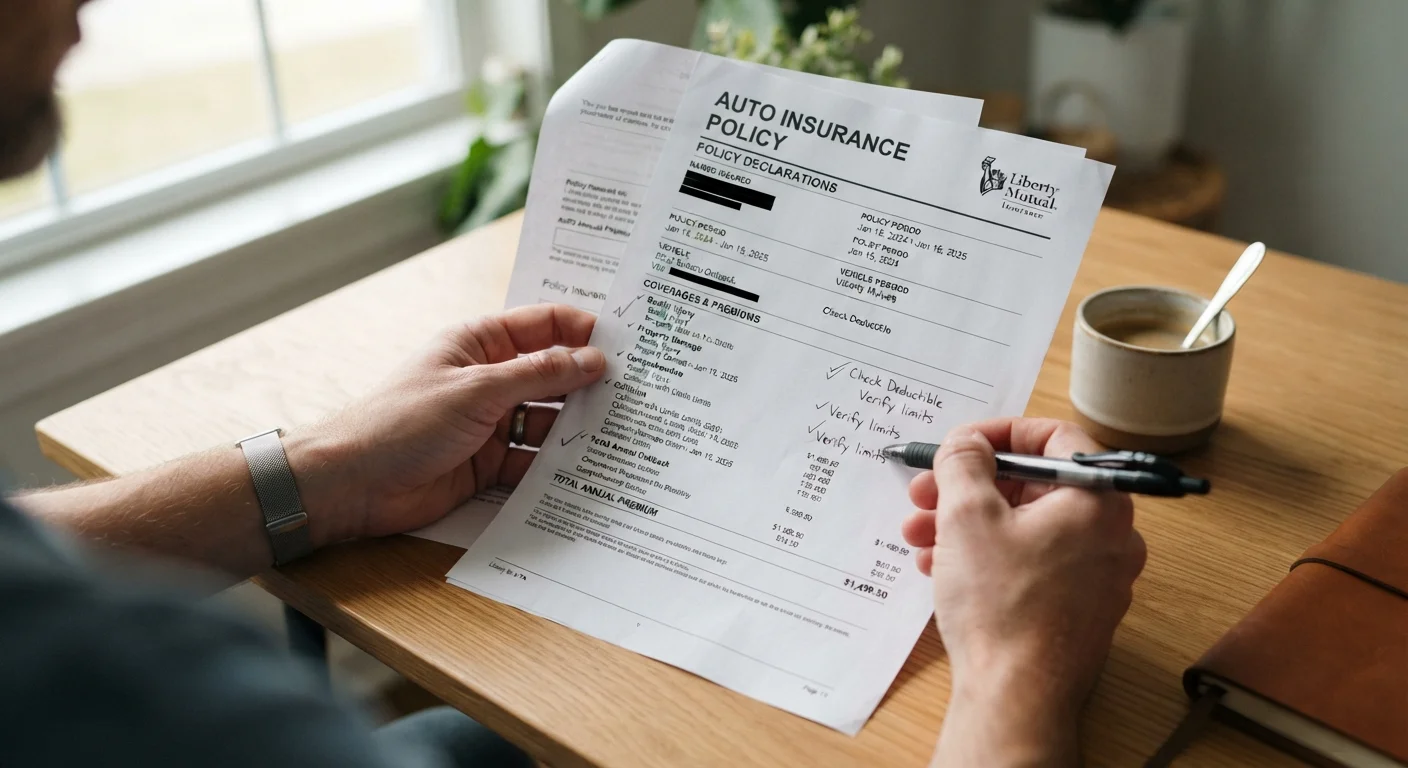
The declarations page of your policy lists your limits in a format like 25/50/25. That means $25,000 per injured person, $50,000 per accident for all injuries, and $25,000 for the other driver's property damage. Those numbers can seem adequate until you price out a hospital stay, a totaled SUV, or a lawsuit. New drivers researching coverage types will find a full breakdown of what each coverage category does and does not pay.
Common mistakes drivers make with minimum-only policies
Treating the state minimum as an adequate coverage floor.
Why it happens: Drivers assume that if a coverage level is legal, it is sufficient. State minimums were set to establish a legal baseline, not to reflect the actual cost of accidents.
Assuming minimum coverage pays for damage to your own vehicle.
Why it happens: The term 'insurance' implies broad protection, so many drivers do not realize that liability-only policies pay the other party's costs, not yours.
Skipping uninsured and underinsured motorist coverage in states where it is optional.
Why it happens: Drivers focus on the premium and drop optional coverages to reduce cost, not considering that roughly one in seven U.S. drivers carries no insurance at all, according to the Insurance Research Council.
Carrying minimum coverage on a financed or leased vehicle.
Why it happens: Some drivers are unaware that lenders and leasing companies require comprehensive and collision coverage as a condition of the loan or lease agreement.
Overlooking personal liability exposure when limits run out.
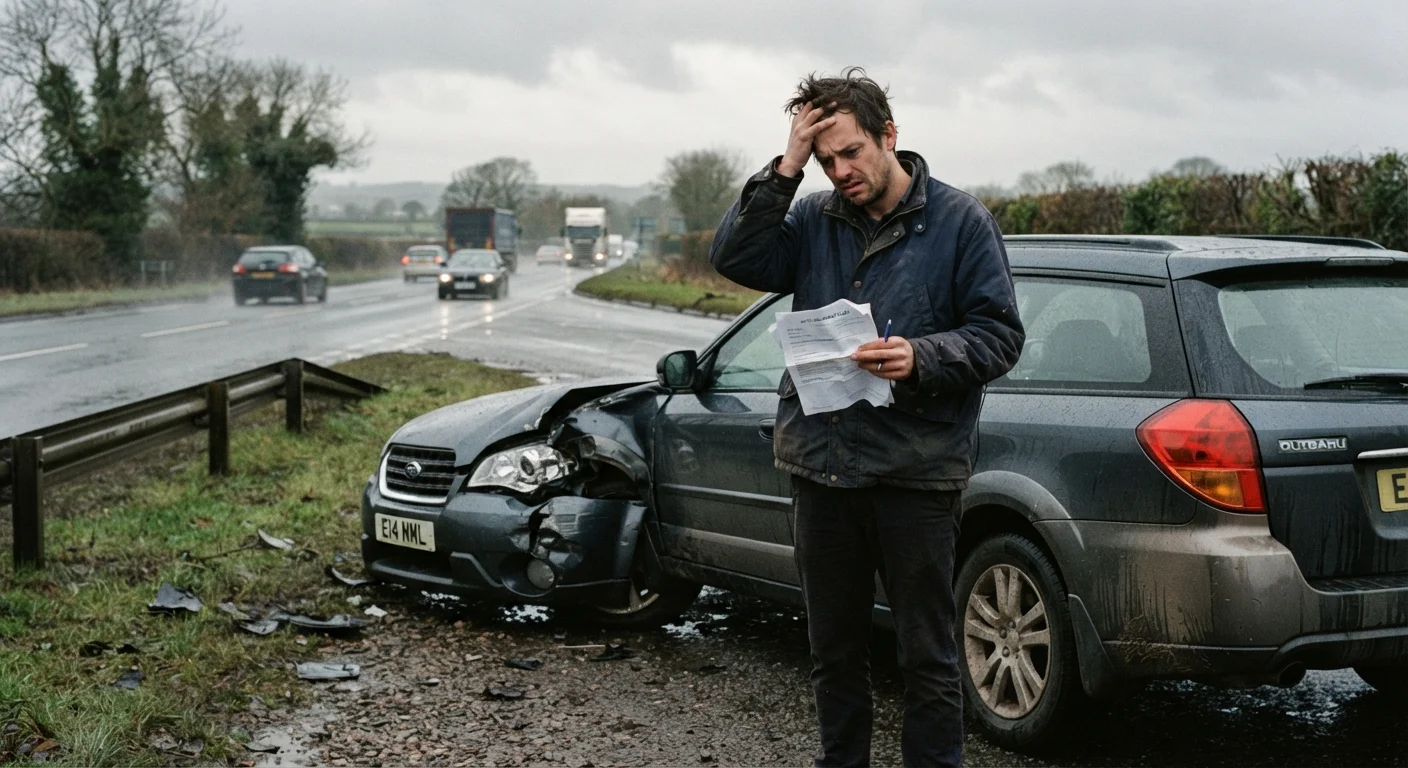
Why it happens: Drivers think of insurance as a ceiling on their responsibility. In practice, if damages exceed your policy limits, the injured party can pursue your wages, savings, or other assets in court.
This article provides general information about auto insurance coverage and is not personalized insurance, financial, or legal advice. Coverage terms, exclusions, and requirements vary by state and provider. Read your policy documents carefully and speak with a licensed insurance agent before making coverage decisions.
When to reconsider your current limits
Two situations reliably signal that minimum coverage is worth revisiting. The first is a change in your financial situation: if you have built up savings, own a home, or have income that could be garnished, low liability limits leave those assets exposed. The second is a change in how you use your vehicle. Driving for a rideshare or delivery service changes your risk profile, and personal policies often exclude commercial use entirely. Where personal coverage ends and commercial coverage begins matters more than many drivers realize.
Raising your limits or adding coverages does increase your premium, but certain habits and policy choices can offset some of that cost over time. Several factors can reduce what you pay for auto coverage without stripping protection.
Your assets are not protected by your policy limits
When an accident results in damages that exceed your liability limits, the injured party may seek the difference from your personal assets through a civil judgment. Wages, bank accounts, and property can all be at risk depending on state law. Minimum coverage does nothing to prevent this outcome. A licensed insurance agent can help you match your liability limits to your actual financial exposure.