
Why vehicle value matters to your policy
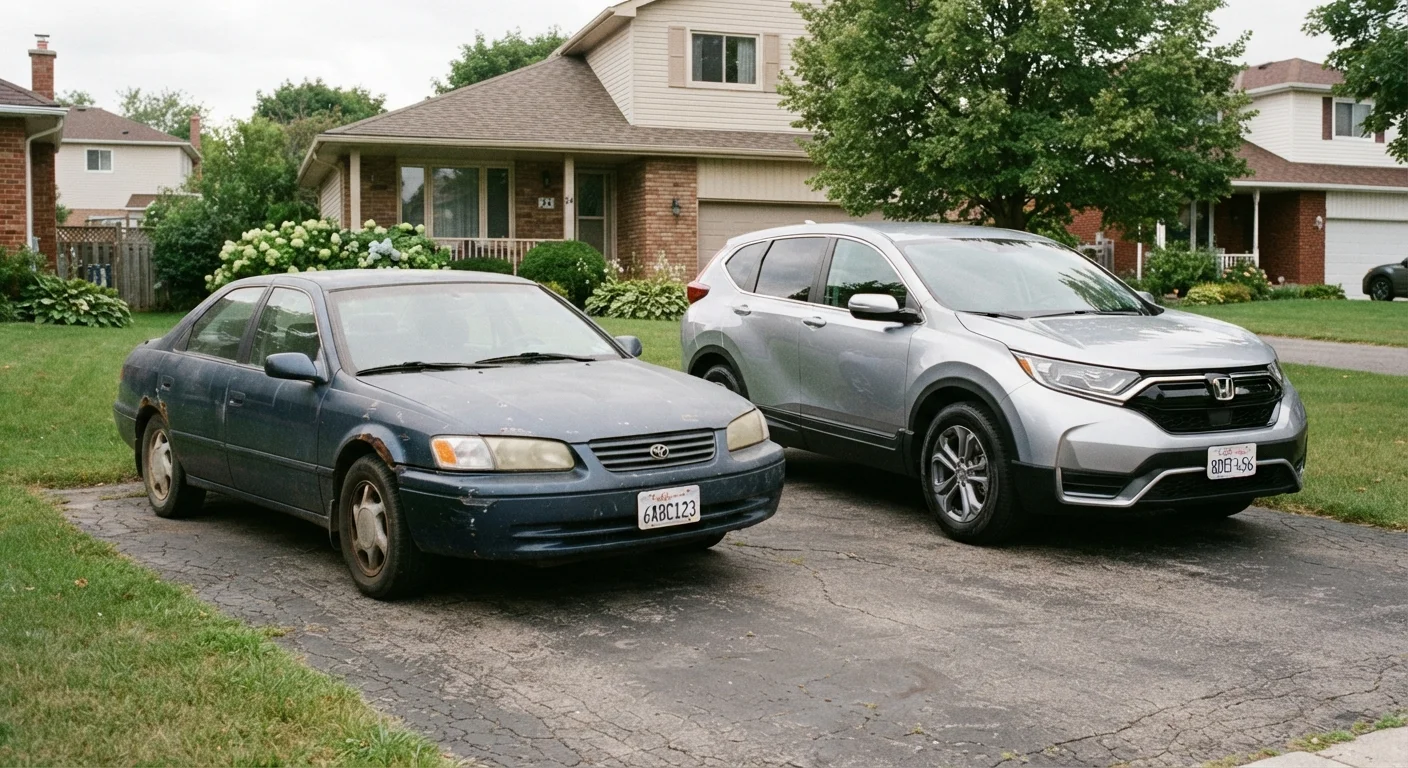
Auto insurance premiums for physical damage coverage are tied to what your car is worth, not what you paid for it. A new car bought for $28,000 might be worth $18,000 two years later. By year seven, that same car could be worth $7,000 or less, depending on mileage and condition. The insurer's maximum obligation shrinks with each passing year, but your premium does not always shrink at the same pace.
Understanding this relationship helps you make coverage decisions that reflect your car's current situation rather than the one it was in when you first bought the policy. For a broader look at what each coverage type actually does, see auto insurance explained.
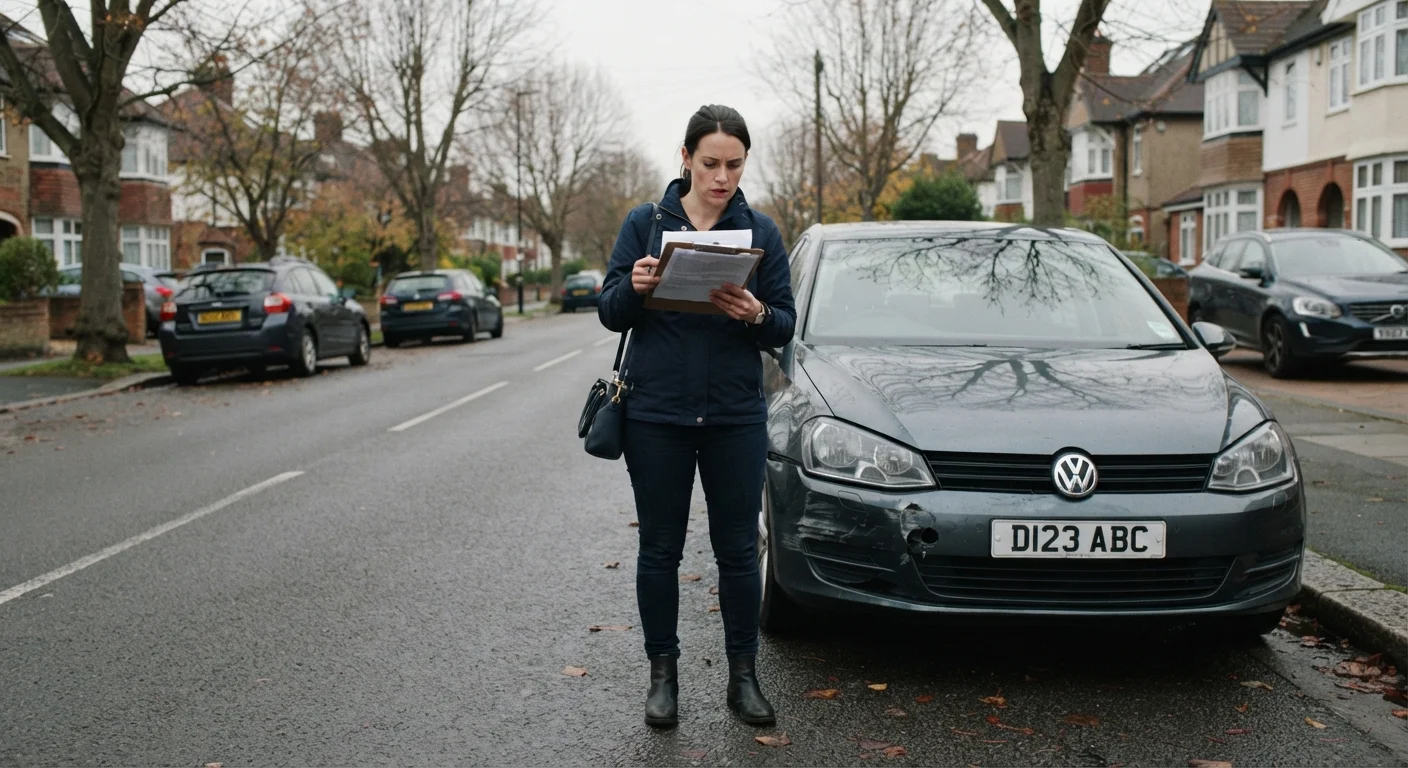
Two coverage types are directly tied to your vehicle's value: collision, which covers damage from an accident regardless of fault, and comprehensive, which covers damage from events like theft, weather, or fire. Both pay out based on ACV, not replacement cost. Liability coverage, which pays for damage you cause to others, is legally required and is unaffected by your car's age or worth.
Liability coverage is a separate decision
This article focuses on physical damage coverage (collision and comprehensive) as it relates to vehicle value. Liability coverage protects other people if you cause an accident and is required by law in nearly every state. Do not reduce or drop liability coverage based on your car's age or value. Those are two separate conversations.
The step-by-step process for reviewing your coverage
Working through this takes less than an hour. You need your car's estimated market value, your current premium breakdown, and your deductible. If the vehicle is financed, have your loan documents nearby.
What you will need
Vehicle valuation tool (e.g., Kelley Blue Book or NADA Guides)
Gives you an estimate of your car's current actual cash value, which is what an insurer uses to calculate a payout.
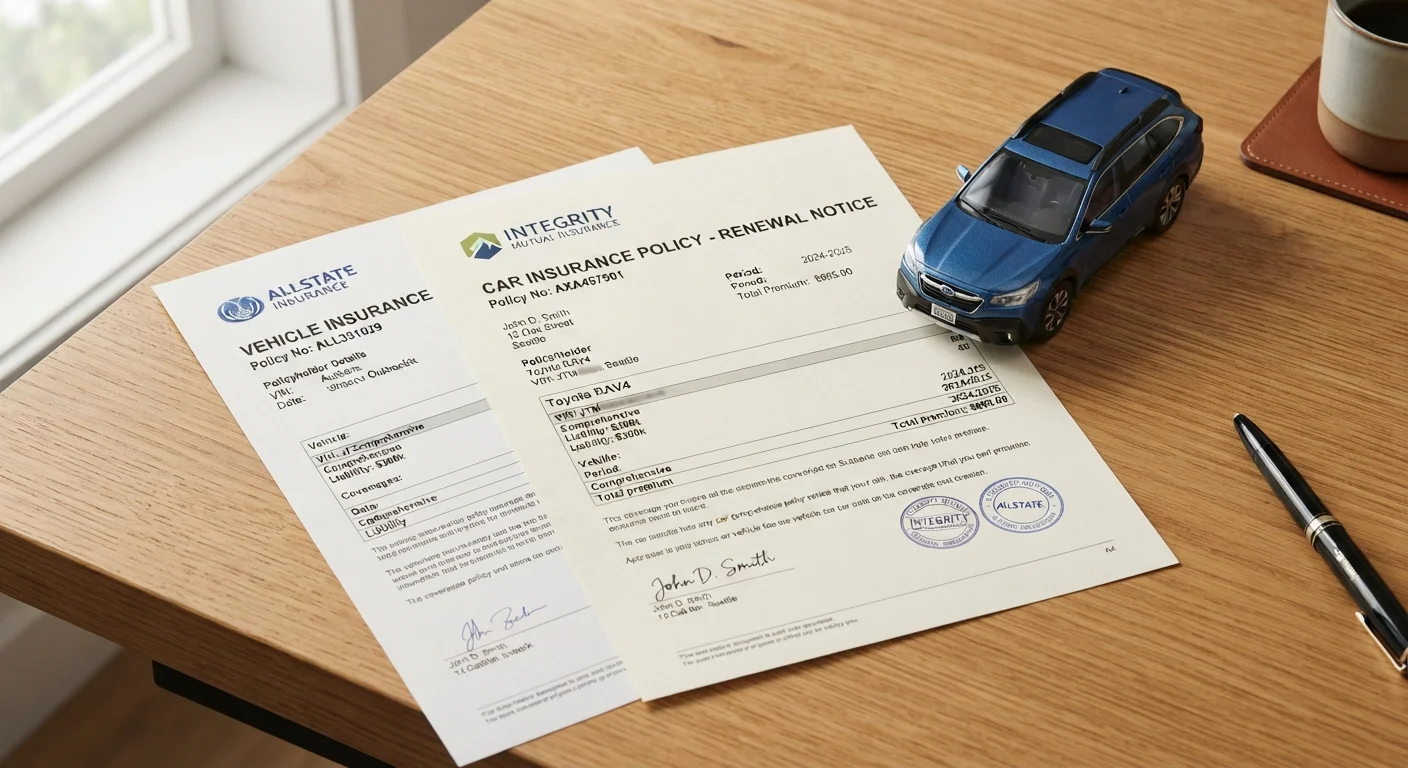
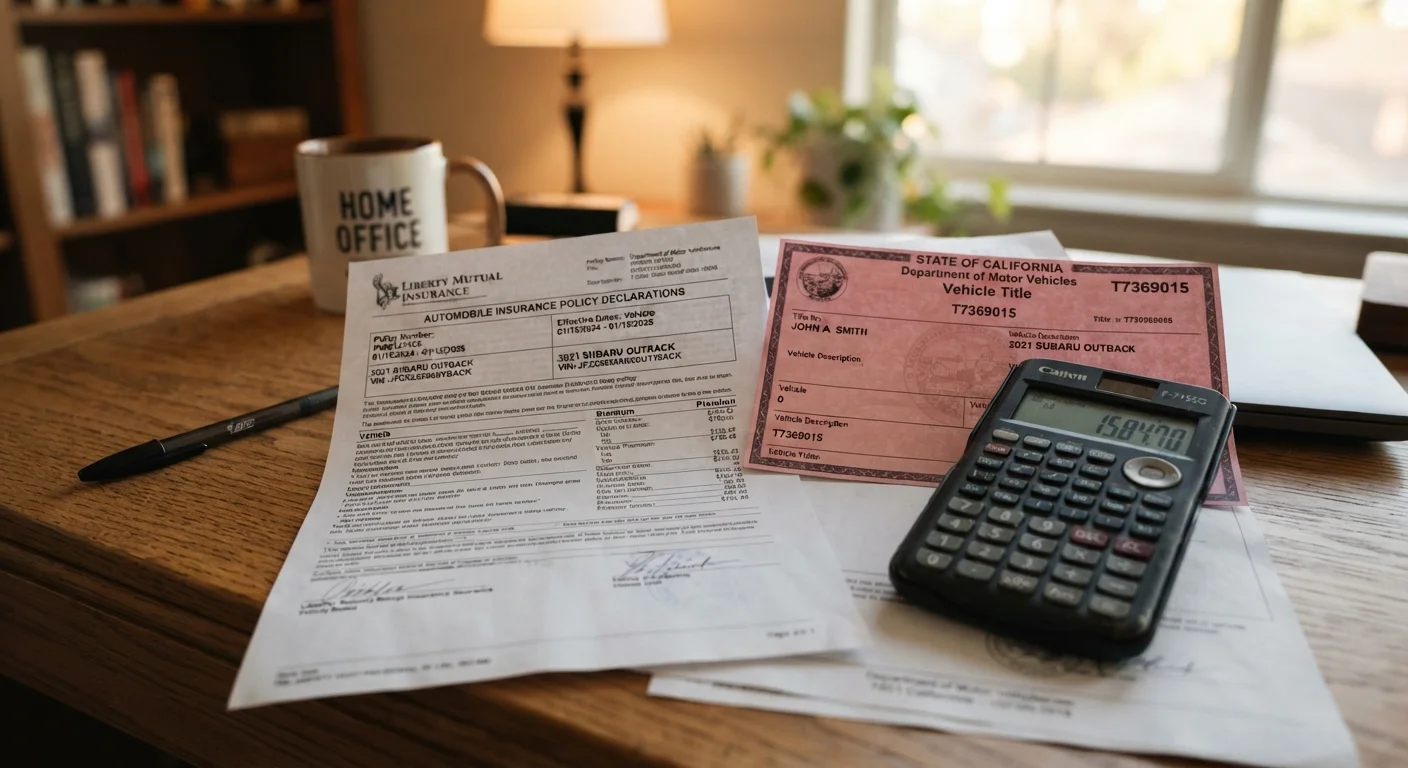
Current policy declarations page
Lists your coverage types, limits, and deductibles so you can see what you are currently paying for.
Loan or lease agreement
Confirms whether your lender requires you to carry collision and comprehensive coverage.
Find your vehicle's actual cash value
Actual cash value (ACV) is the market value of your car at the moment of a claim, after depreciation. It is the ceiling on what a collision or comprehensive payout can be. Look up your car's ACV using a reputable valuation source. Enter the year, make, model, mileage, trim, and condition honestly. Write the number down.
Check whether your lender requires physical damage coverage
If you are still paying off a car loan or are in a lease, your lender almost certainly requires both collision and comprehensive coverage. Review your loan or lease agreement for the exact language. Dropping either coverage while the vehicle is financed is typically a breach of contract and may trigger force-placed insurance, which costs more and protects only the lender.
Compare your ACV to your annual physical damage premium plus deductible
Add up what you pay each year for collision and comprehensive coverage. Then add your deductible, since that is the amount you pay out of pocket before the insurer pays anything. Compare that total to your vehicle's ACV. If your ACV is only a few hundred dollars more than your deductible, the net payout after a total loss would be small. That gap is what you are paying premiums to protect.
Example: If your car is worth $3,500 and your deductible is $1,000, the most you could recover from a total-loss claim is $2,500 (before any applicable fees). If your annual collision and comprehensive premium is $800, you would recover that $2,500 in about three years of claim-free driving.
Factor in your ability to cover a loss without a claim payout
If your car were totaled tomorrow, could you pay for a replacement or manage without a vehicle while you saved up? Drivers without an emergency fund who depend on their car for work face a different risk profile than those with savings and a backup transportation option. Your financial cushion changes the math on whether self-insuring the physical damage risk makes sense.
Review your deductible amount relative to the car's current value
A deductible set years ago when the car was worth more may no longer be appropriate. If your car is worth $4,000 and your deductible is $2,000, you are carrying a high out-of-pocket threshold on a low-value asset. Some drivers in this position lower their deductible; others decide the coverage itself no longer fits. Either way, it is worth reviewing rather than leaving on autopilot.
Decide whether to adjust, keep, or remove physical damage coverage
With the numbers in front of you, you can make an informed decision. Keeping collision and comprehensive on a low-value, owned-outright car is not irrational if you cannot absorb a sudden loss. Removing it is not reckless if you have the savings to cover a replacement. What matters is that the choice is deliberate, not a default. Talk to a licensed insurance agent if you want guidance specific to your situation and state.
Gap insurance is worth knowing about
If you financed a new car and it is totaled early in the loan, the ACV payout may be less than what you still owe the lender. Gap insurance (Guaranteed Asset Protection) covers that difference. It is most relevant on new or near-new vehicles with a loan balance that exceeds the car's market value. Ask your insurer or lender whether it applies to your situation.
Drivers who have had a claim recently may also want to read about how premiums change after a claim, since a surcharge on your rate changes the cost side of the equation. And if your coverage situation involves multiple policies or household members, how policies can stack or overlap is worth understanding before you make changes.
This article is general educational information about auto insurance and is not personalized financial or insurance advice. Coverage requirements, terms, and costs vary by state and insurer. Consult a licensed insurance agent or adviser for guidance specific to your situation and policy.