
Why a standard policy may leave you short
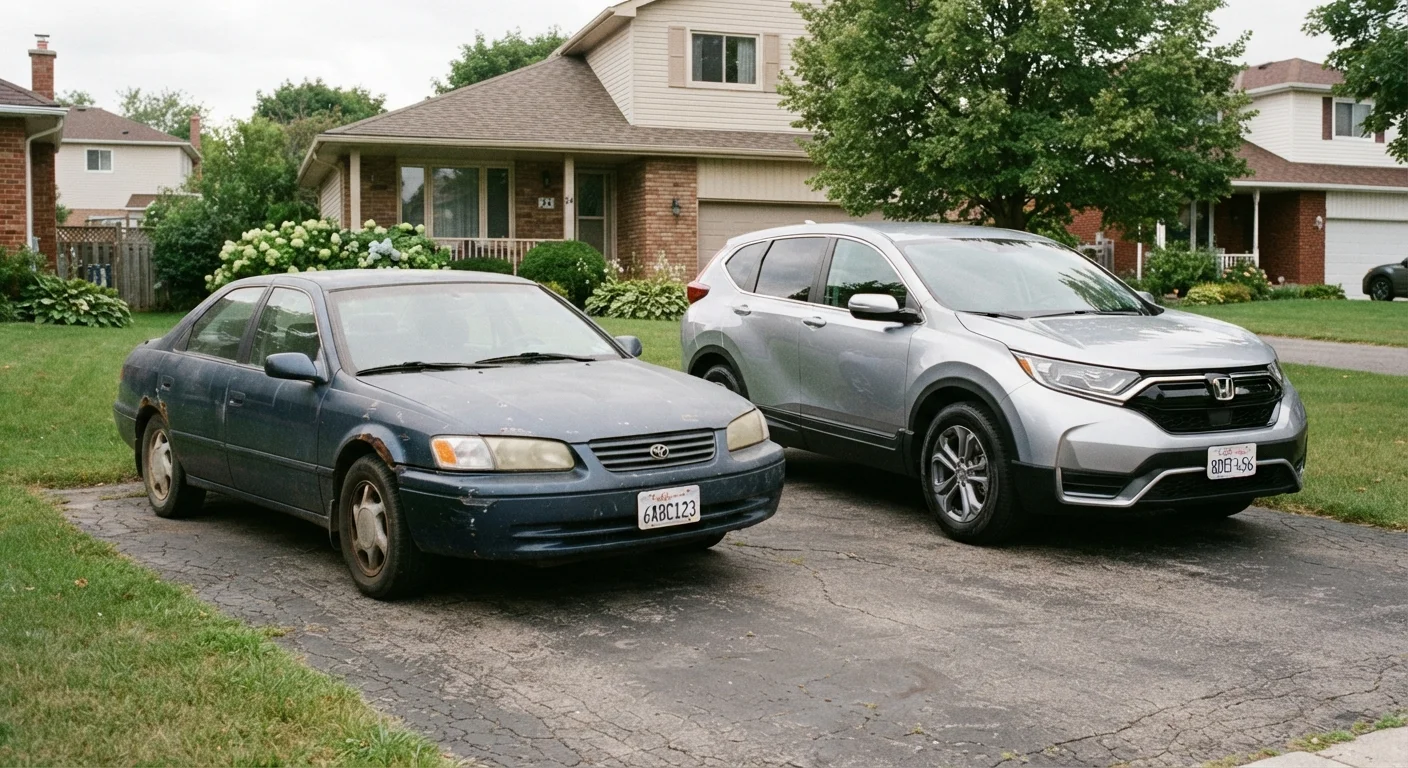
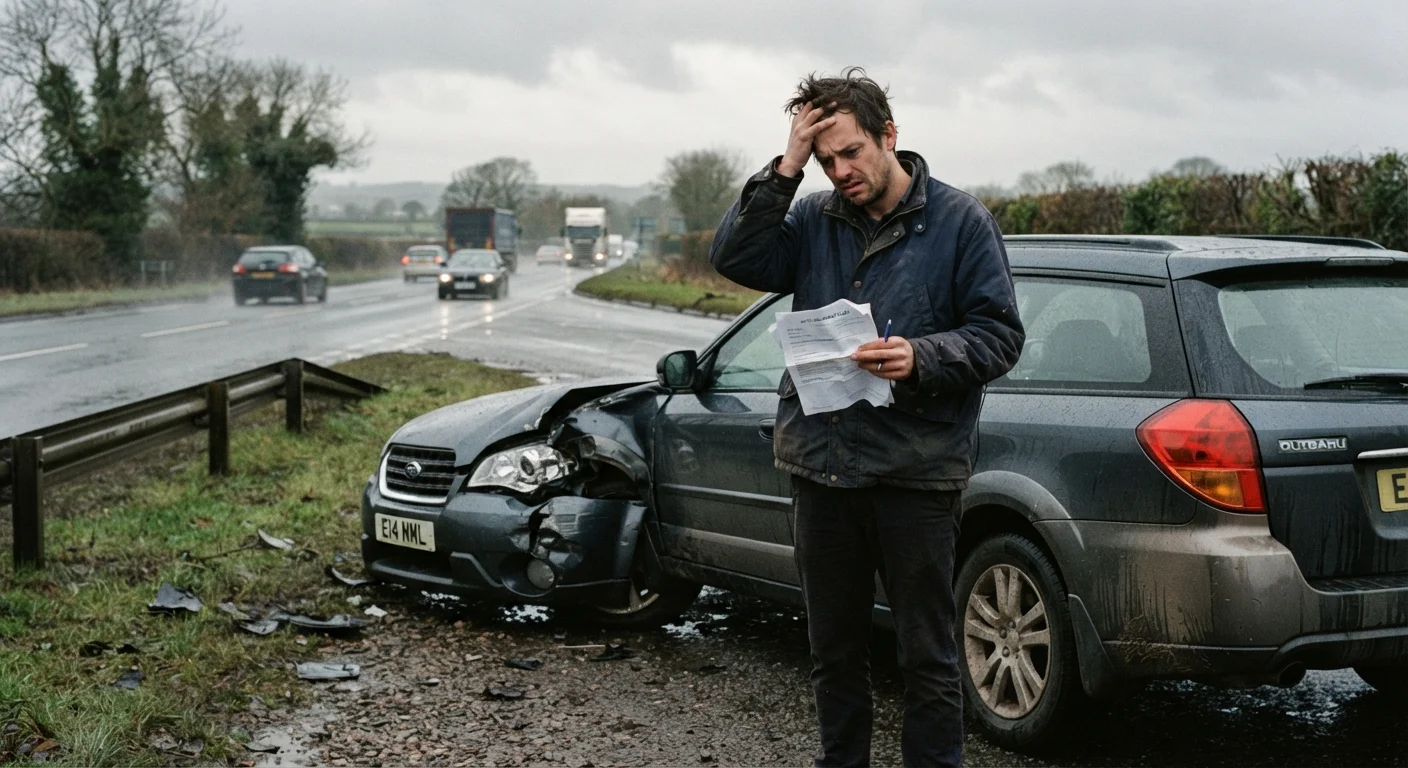
When a car is totaled or stolen, your collision or comprehensive coverage pays out the vehicle's actual cash value (ACV), which is what the car was worth at the moment of the loss, not what you paid for it. Cars depreciate fast. A new vehicle can lose a significant portion of its value in the first year alone, according to data from vehicle valuation sources such as Edmunds and Kelley Blue Book.
If your loan balance is higher than the ACV payout, you owe the difference out of pocket, even though you no longer have the car. That is the gap gap insurance is designed to close.
For a fuller picture of how coverage types work together, see auto insurance explained.
Who is most likely to need it
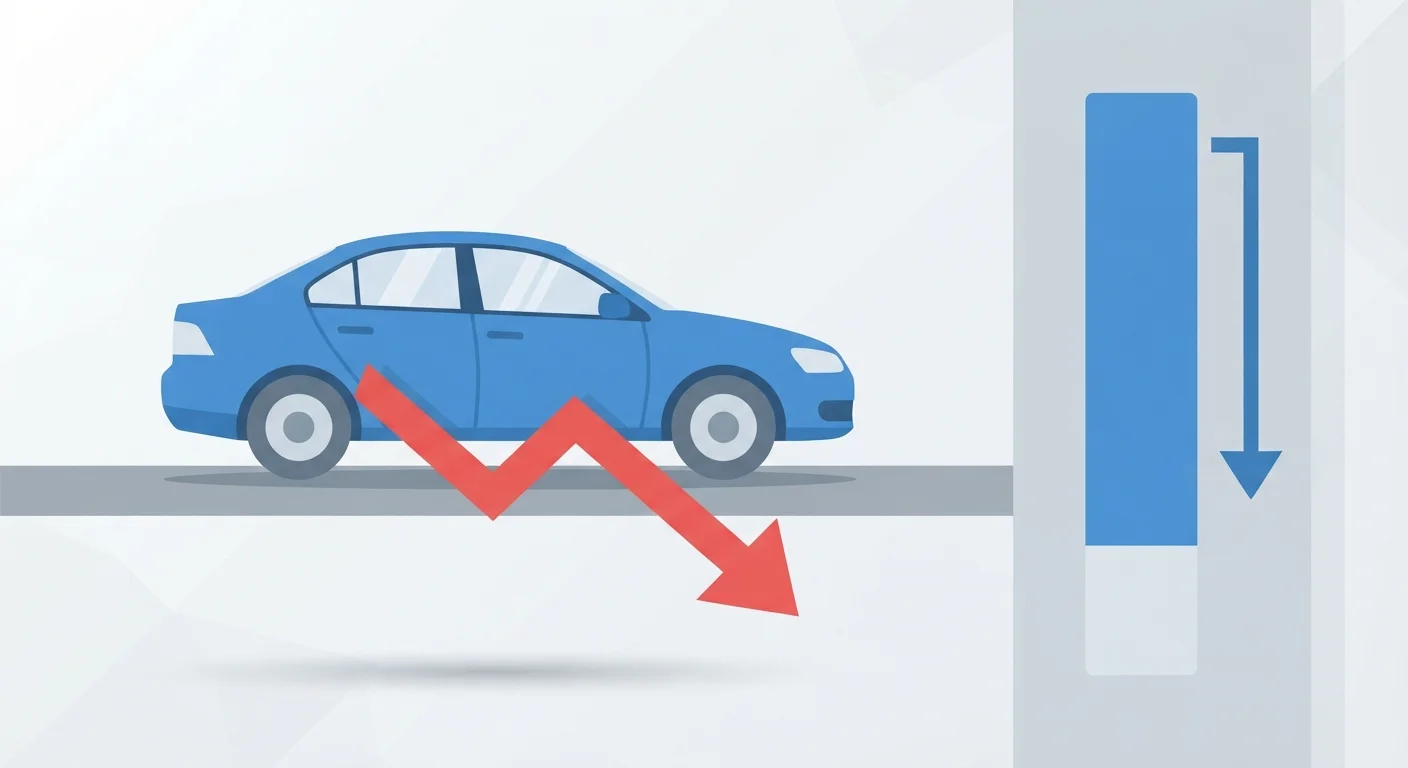
Gap coverage is worth considering in specific situations. You are more likely to carry a balance that exceeds your car's value when:
- You financed with little or no down payment
- Your loan term is 60 months or longer
- You leased the vehicle (many lease agreements require gap coverage)
- You rolled negative equity from a previous loan into the new financing
- You bought a vehicle model that depreciates faster than average
How vehicle age and value affect coverage decisions explains how depreciation shifts the math on various policy types over time.
~20%
Typical first-year depreciation on a new vehicle
Vehicle valuation guides such as Edmunds estimate that many new cars lose around 20 percent of their value within the first year.
72+ months
Common long-term auto loan length
Experian's State of the Automotive Finance Market reports have shown six-year and longer loan terms becoming common, increasing the period during which loan balances can exceed vehicle value.
What gap insurance does not cover
Gap insurance is narrow by design. It does not cover:
- Repairs to a vehicle that was damaged but not totaled
- Missed or overdue loan payments
- Extended warranties or add-on fees rolled into your loan
- Negative equity carried over from a prior vehicle loan, in most policies
- Medical bills or property damage from an accident
If your policy has gaps in its core liability limits, gap insurance will not fix that problem. Situations where minimum coverage falls short covers that separate issue.
Where to buy it and what to watch for
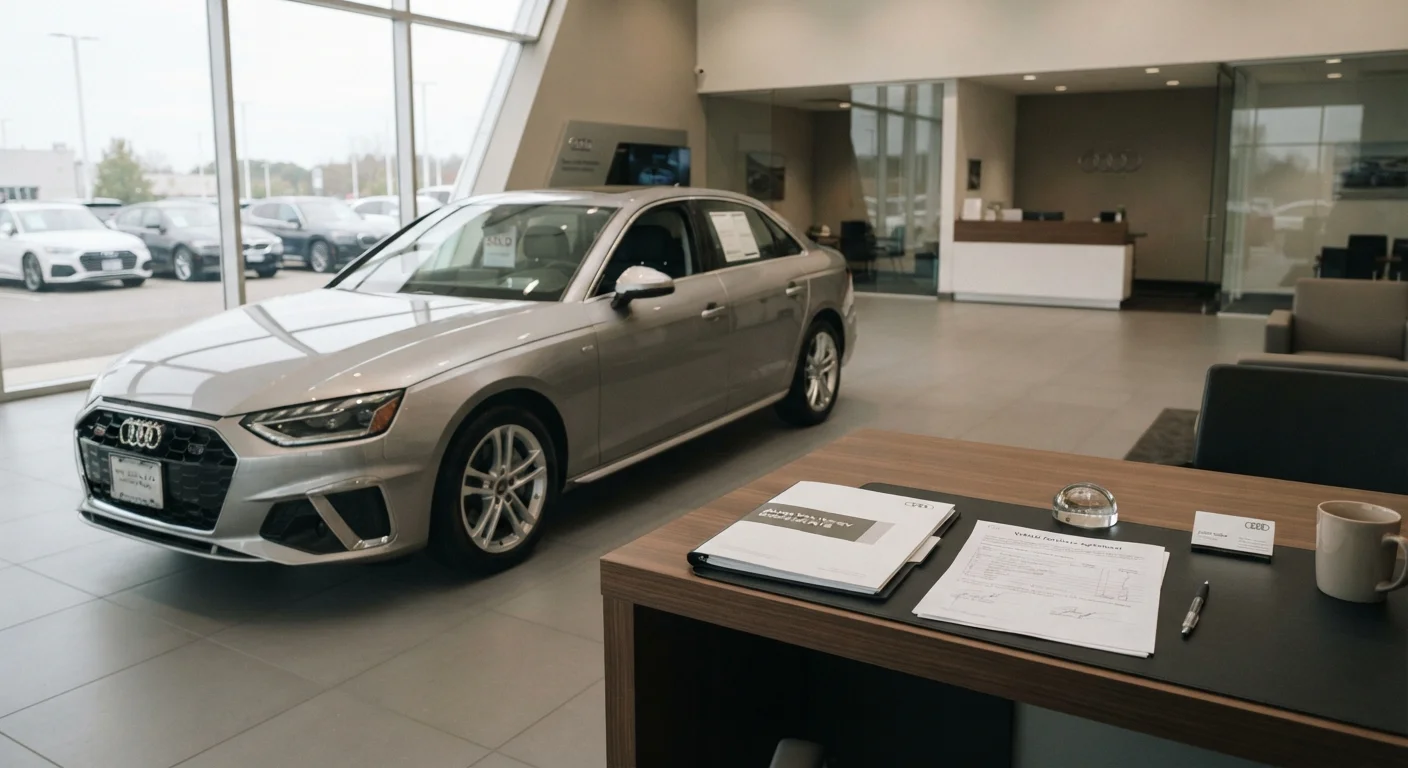
Gap insurance is available through three main channels: your auto insurer, the dealership, or a lender. Prices differ across all three.
Adding gap coverage to an existing auto policy is often the most straightforward option, and annual costs through an insurer tend to be lower than dealership pricing. When a dealer offers gap coverage, the cost is frequently rolled into the loan, which means you pay interest on it over time.
Before signing anything, ask for the total cost of the coverage over the life of the policy, not just a monthly figure. Also check whether the policy covers only the primary loan or whether it accounts for any additional charges.
Once your loan balance drops below the car's ACV, the gap closes on its own. At that point, you can consider canceling the coverage and ask your provider about a prorated refund.
This article is for general informational purposes only and does not constitute insurance, financial, or legal advice. Coverage terms, eligibility, and costs vary by provider and state. Consult a licensed insurance agent or adviser for guidance specific to your situation.