

What a home warranty typically covers
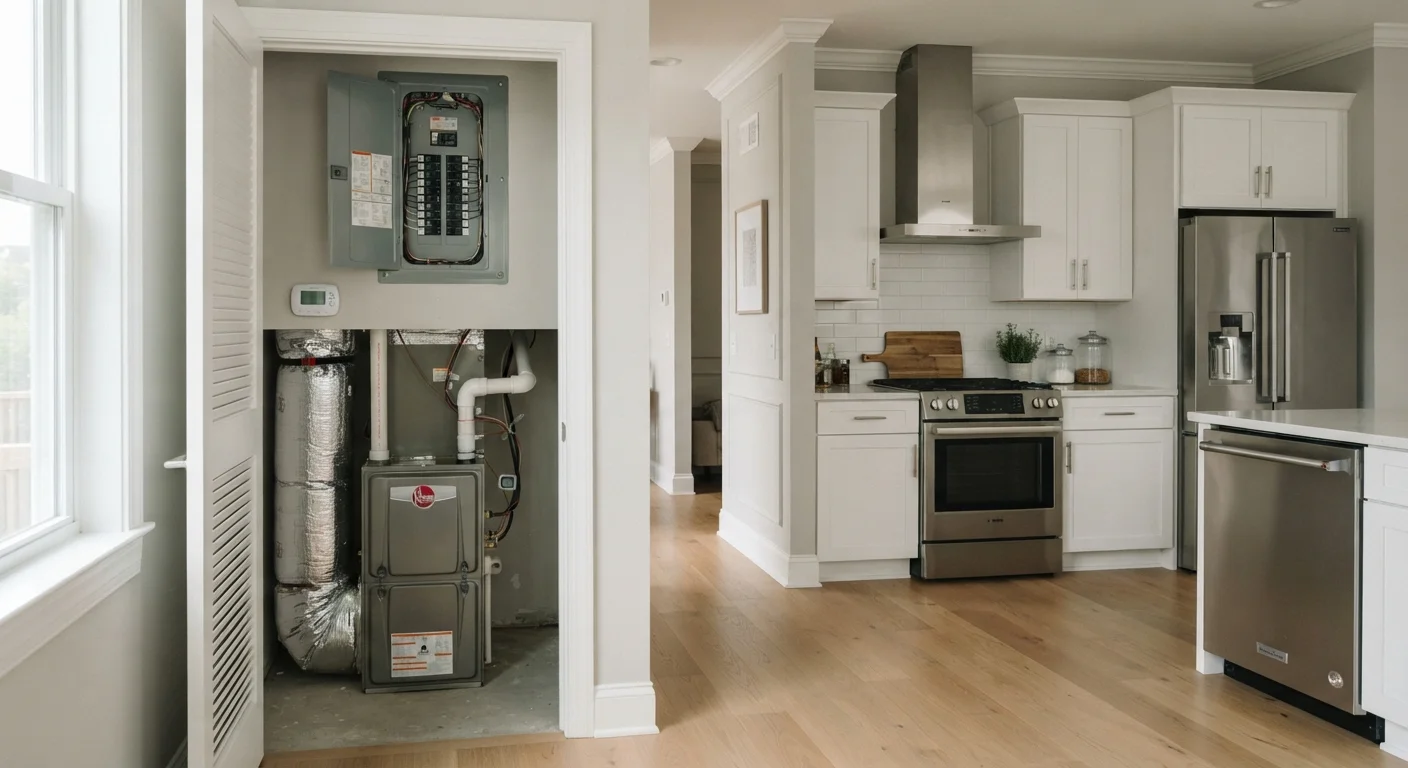
Most standard home warranty plans group their coverage into two categories: built-in home systems and household appliances. Systems coverage usually includes central heating and cooling (HVAC), plumbing, and electrical wiring. Appliances coverage typically includes items like the refrigerator, dishwasher, oven range, and built-in microwave.
Some plans bundle both categories into a single contract. Others sell them separately, allowing homeowners to pay only for what they want. A combined plan is common for buyers who want broader protection after purchasing a home where the age of systems and appliances is uncertain.
When a covered item breaks down from normal wear and tear, the homeowner calls the warranty company, pays a service call fee, and the provider dispatches an approved technician. If the technician confirms the failure falls within the contract terms, the provider covers the repair or replacement cost up to any stated limit.
For first-time homeowners still learning what routine upkeep looks like, a first-time homeowner maintenance guide can help clarify which tasks fall on the owner and which types of failures a warranty might address.
Common exclusions and coverage gaps
The exclusions section of any home warranty contract is where many homeowners encounter surprises. Several categories of failures are routinely excluded across most plans.
Pre-existing conditions
If a system or appliance was already malfunctioning before coverage began, most providers will deny the claim. Inspectors sometimes find deferred maintenance or slow-developing failures that would qualify as pre-existing. Getting a thorough home inspection before coverage starts creates a baseline record.
Improper installation or maintenance
A warranty covers normal mechanical wear, not damage caused by incorrect installation, code violations, or failure to maintain the item as the manufacturer recommends. A water heater that fails because sediment was never flushed may be denied if the provider determines the failure resulted from neglect rather than wear.
Code upgrades and modifications
When a technician repairs or replaces a covered item, local building codes sometimes require that adjacent components be brought up to current standards. Most plans do not cover these code-upgrade costs, which can add hundreds of dollars to an otherwise covered repair.
Coverage limits and caps
Many plans set dollar limits per covered item or per claim period. A central air system replacement, for example, can cost several thousand dollars, but the plan may cap its contribution at a lower amount. The homeowner pays the difference.
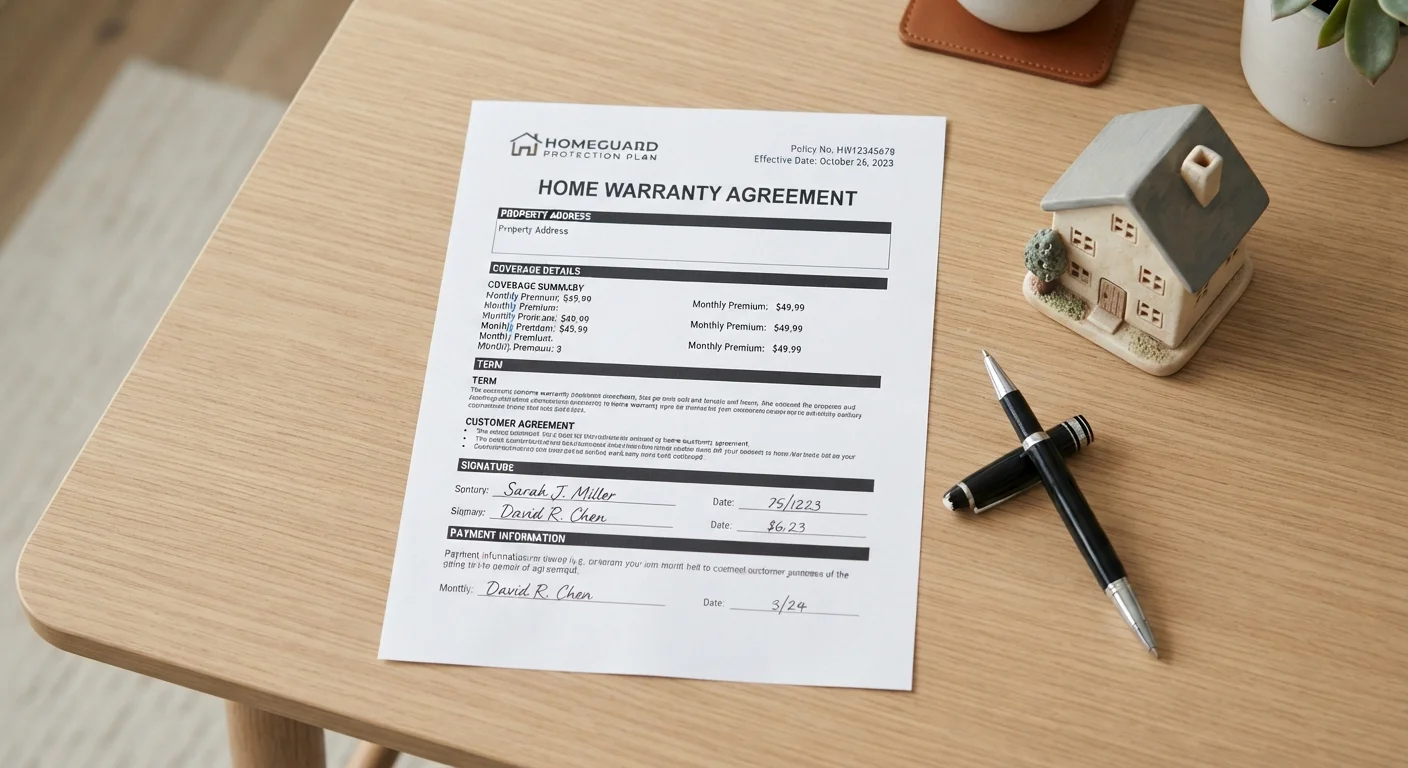
Items that fall outside standard plans include swimming pools, septic systems, solar panels, and secondary refrigerators. These sometimes appear as add-on coverage options, each with its own terms and limits.
Staying current on seasonal maintenance tasks can reduce the risk of failures that providers might attribute to neglect rather than normal wear.
Home warranties and new construction
Newly built homes often come with a builder's warranty that covers structural defects and system failures for a defined period, sometimes one to ten years depending on the component. This is separate from a third-party home warranty plan. If your home is newly built, check what the builder's warranty covers before purchasing additional protection to avoid paying for overlapping coverage.
How a home warranty differs from homeowners insurance
Homeowners insurance and a home warranty address different problems. Insurance responds to sudden, accidental events: a pipe burst from freezing, a fire in the kitchen, or storm damage to the roof. A home warranty responds to mechanical failure from ordinary use over time: a furnace motor that wears out, a dishwasher pump that stops working.
Neither product covers what the other does. A homeowner whose HVAC system fails in summer because of age will find that homeowners insurance does not apply. A homeowner whose kitchen is damaged by a burst pipe will find that a home warranty does not apply to the water damage, only possibly to the pipe repair itself depending on contract language.
Understanding what your homeowners insurance declarations page covers helps clarify where that policy ends and where a warranty might fill a gap.
What to review before signing a contract
Before committing to a plan, four areas of the contract deserve careful reading.
- The coverage schedule: the specific items listed as covered, not just the general category names
- The exclusions list: conditions, failure types, and components explicitly not covered
- Per-item and annual caps: the maximum the provider will pay per covered item or per contract year
- The claims process: how to submit, required response times, and what happens if a technician is unavailable in your area
Comparing multiple plan documents side by side, rather than comparing marketing summaries, gives the clearest picture of actual coverage differences. The service call fee and annual premium together determine your out-of-pocket floor for any given year, before any claim is filed.
This article is for general informational purposes only and does not constitute legal, financial, or professional advice. Coverage terms, exclusions, and costs vary by provider and by state. Always read the full contract before purchasing any service plan and consult a licensed professional if you have questions about your specific situation.