

How each monitoring type works
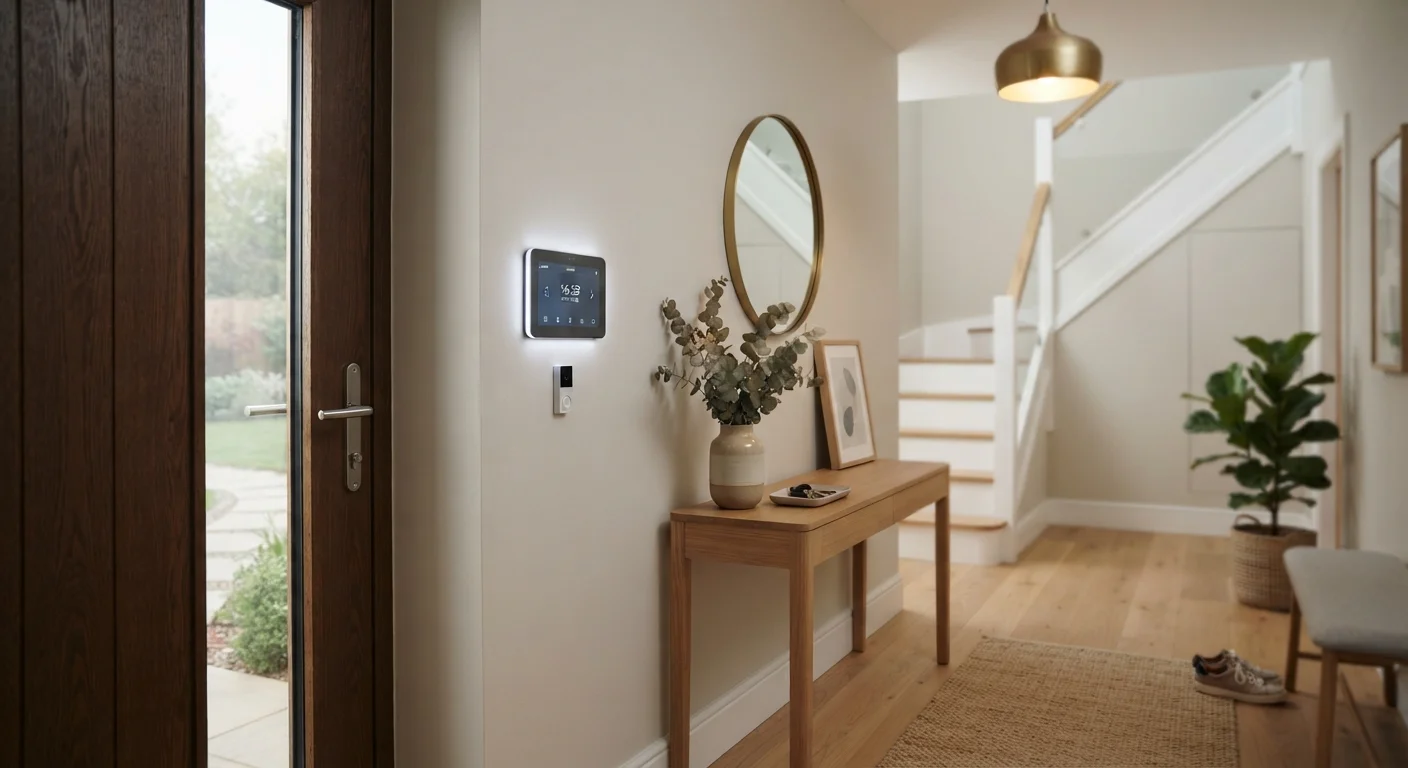
A professionally monitored home security system connects your sensors and cameras to a third-party monitoring center staffed around the clock. When an alarm triggers, that center attempts to reach you first. If you do not respond within a set window, or if you confirm an emergency, the center contacts local emergency services on your behalf.
A self-monitored system uses the same types of hardware: door and window sensors, motion detectors, cameras, and sirens. The difference is that alerts go directly to your smartphone or another device you designate. You decide whether to call 911, check a camera feed, or dismiss a false alarm. No outside party is involved unless you make that call.
Both setups can include professional-grade equipment. The monitoring choice is a service layer on top of the hardware, not a reflection of sensor quality.
Cost structure and contracts
Professional monitoring adds a recurring fee to whatever you paid for equipment. Plans vary by provider and coverage level, but monthly charges commonly fall somewhere between $10 and $50 or higher for plans that include video storage or smart-home integration. Some providers require a multi-year contract; others offer month-to-month terms. Read the cancellation policy before signing, because early termination fees can be substantial.
Self-monitoring eliminates the monthly service charge. You pay for equipment upfront or through an installment plan, and the app that delivers alerts is typically free. Some systems charge separately for cloud video storage, so factor that in if you want recorded footage.
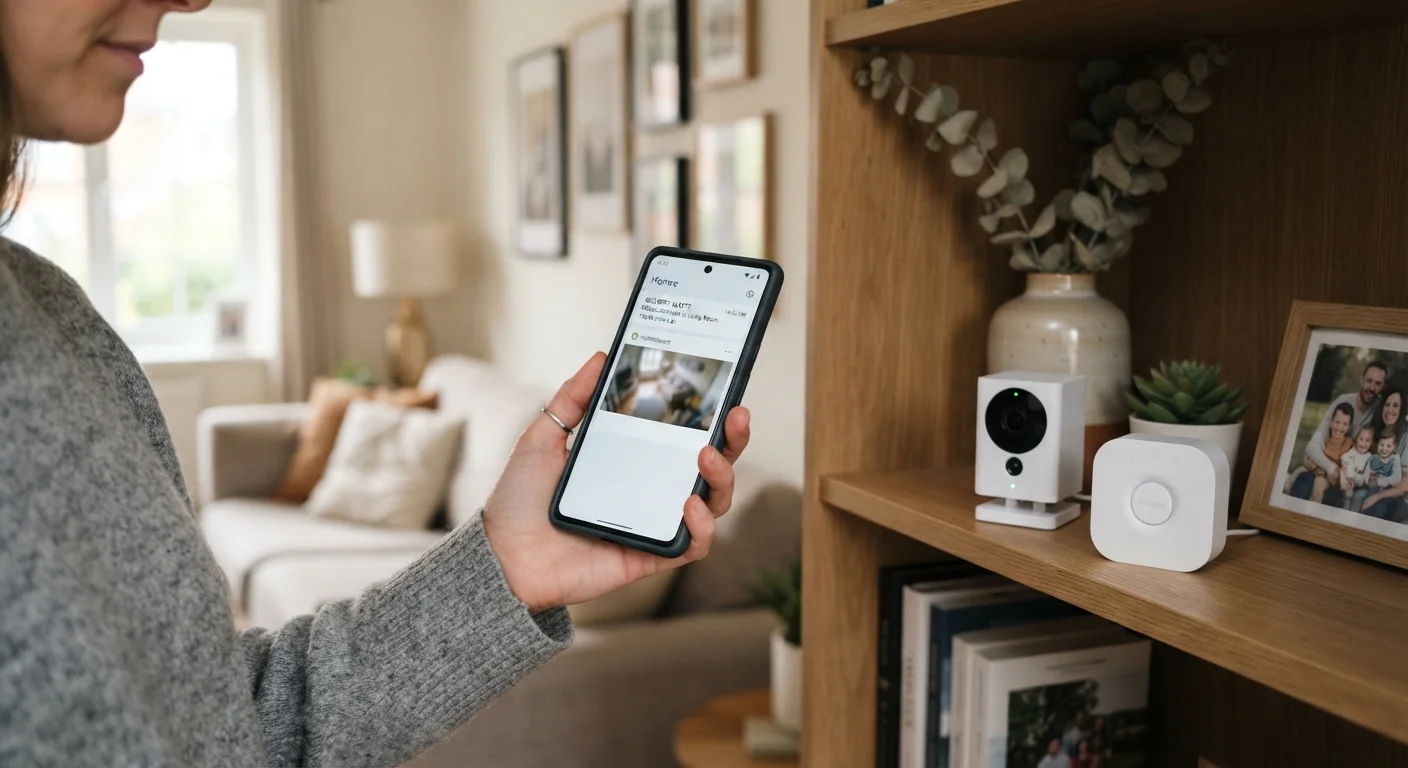
Equipment ownership is worth examining regardless of which path you choose. Some providers lease hardware, meaning you return it if you cancel. Others sell the equipment outright. Owned equipment can be reused if you move; leased equipment cannot.
Response time and reliability
A common assumption is that professional monitoring guarantees a faster police response. In practice, response time depends on local dispatch availability and how your municipality prioritizes alarm calls. Many jurisdictions require verified alarms before sending officers, which can add steps even with a monitoring center involved.
Self-monitoring places the verification step entirely on you. If your phone is off, on airplane mode, or you simply miss the alert, no one else acts. For households with one adult who travels frequently, that gap is worth weighing carefully.
Check for cellular backup before buying
A panel that relies only on Wi-Fi can go offline if your router loses power or your internet drops. Look for systems that include a cellular backup connection so the panel can still communicate during an outage. This applies to both professionally monitored and self-monitored setups.
Professional monitoring also depends on a working cellular or broadband connection between your panel and the monitoring center. Power outages and internet disruptions can affect both types of systems, though many panels include battery backup and cellular fallback options.
Comparing the two approaches
| Feature | Professional monitoring | Self-monitoring | |
|---|---|---|---|
| Monthly fee | Typically $10 to $50 or more | Usually none (app is free) | |
| Emergency dispatch | Monitoring center contacts services | You contact services directly | |
| Requires your availability | No, center acts as backup | Yes, you must respond to alerts | |
| Contract requirement | Often required (varies by provider) | Rarely required | |
| Equipment ownership | May be leased or purchased | Usually purchased outright | |
| False alarm handling | Center attempts to verify first | You verify via app or camera | |
| Internet/power dependency | Panel needs connection to center | App needs phone data connection |
What to ask before choosing
Before committing to either approach, a few practical questions can sharpen the decision. First, how reliably reachable are you during the day and overnight? If you regularly work in areas with poor cell service, self-monitoring creates real gaps.
Second, does your home insurance provider offer a discount for professionally monitored systems? Some do, and that discount may offset part of the monthly fee. Ask your insurer directly rather than assuming.
Third, what happens to your system if you move? Confirm whether equipment transfers, whether monitoring contracts are transferable, and what installation costs you might face at a new address.
Finally, review what the system actually monitors. A basic plan may cover door and window sensors but not smoke, carbon monoxide, or flood sensors. If you want those covered under professional monitoring, confirm they are included in the plan tier you are considering, not just available as add-ons at extra cost.