

Why good intentions are not enough
Most people who set a savings goal are genuinely committed to it, at least at the start. The problem is rarely motivation. It is structure. Without clear parameters, a savings goal is just a wish, and wishes do not survive the first month of competing expenses.
The patterns that derail savings are well-documented and largely predictable. Understanding them gives you a realistic foundation for building something that holds. For a broader look at how spending and saving fit together, the building blocks of a personal budget is a useful starting point.
Setting a goal with no specific number or deadline attached to it.
Why it happens: General intentions like 'save more' feel actionable in the moment but give the brain nothing concrete to work toward. Without a target amount and a timeframe, there is no way to measure progress or recognize success.
Saving whatever is left over at the end of the month rather than setting money aside first.
Why it happens: Most people naturally spend before saving. If savings happen last, discretionary spending usually absorbs what was meant to be set aside.
Building a savings plan with no room for irregular or emergency expenses.
Why it happens: Monthly budgets often account for predictable bills but miss costs that arrive once or twice a year, such as car registration, medical copays, or home repairs. One surprise expense can wipe out weeks of saved progress.
Setting a monthly savings amount that is too high to sustain.
Why it happens: After calculating a target, people often divide it by a short timeline and arrive at a monthly number that is technically possible but leaves no buffer for normal life. After one or two months of falling short, motivation collapses.
Never revisiting the savings plan after setting it up.
Why it happens: Once automation is in place, it is easy to assume the plan is running itself. But income changes, expenses shift, and goals evolve. A plan that fit six months ago may no longer match your actual situation.
How to build a savings habit that holds
Avoiding the mistakes above matters more than finding a perfect savings formula. Consistency in a modest plan will outperform perfection in a complicated one.
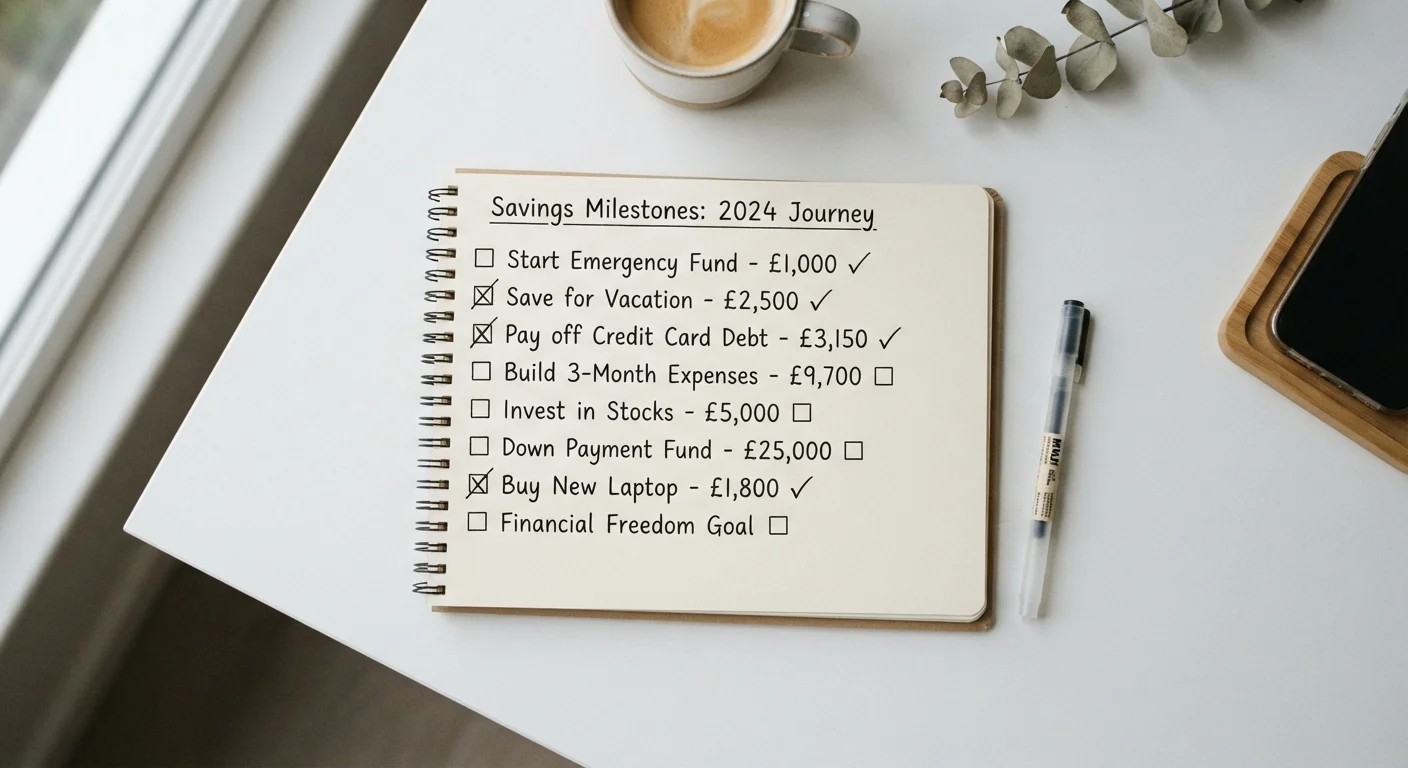
Frameworks like the 50/30/20 budget rule can help you allocate income across spending, saving, and wants, though that model carries real limitations depending on your income level and fixed costs. The goal is not to follow any single rule rigidly but to build a structure where saving happens before discretionary spending does.
If you travel and find that trip budgets frequently absorb money you planned to save, common travel budget mistakes covers the patterns worth knowing before your next trip.
Automation does not replace awareness
Automating savings transfers is a useful habit, but it can create a false sense of security if you are not monitoring your account balances. Overdrafts caused by automated transfers can trigger fees that offset the savings themselves. Check your cash flow before setting up automatic transfers, and review them periodically.
This article is for general informational purposes only and does not constitute personalized financial advice. Consult a qualified financial professional regarding your specific circumstances.