


What older veterans should know before they start
Many veterans who served decades ago have never applied for a single VA benefit. Some assume they do not qualify because they did not serve in combat. Others were discharged before certain programs existed. And some simply were not aware that eligibility can grow over time, particularly as health needs increase with age.
This article is general information only. Eligibility rules are complex and can depend on individual circumstances including discharge status, length of service, income, and medical history. A VA-accredited claims agent or Veterans Service Organization (VSO) representative can help assess what may apply to a specific situation at no cost.
If you or a family member is also weighing how VA coverage might work alongside other programs, the overview of Medicare and coverage changes after 65 may provide useful context.
VA health care enrollment
Veterans who meet service and discharge requirements may enroll in VA health care, which covers a wide range of services including primary care, mental health care, prescription drugs, and preventive screenings. Enrollment is based on a priority group system, with veterans who have service-connected disabilities typically placed in higher-priority groups.
Older veterans who have never enrolled may still be eligible, even if many years have passed since discharge. The VA generally requires at least 24 continuous months of active-duty service for post-1980 veterans, though exceptions exist for those discharged due to a service-connected disability or hardship. Confirming current enrollment rules directly with the VA or a VSO is advisable before assuming ineligibility.
Veterans who have never enrolled in VA health care may still qualify, even decades after discharge.
VA Pension (non-service-connected pension)
The VA Pension program provides monthly payments to wartime veterans who have limited income and meet age or disability requirements. Unlike disability compensation, this benefit does not require that a condition be connected to military service. Veterans aged 65 and older are generally considered permanently and totally disabled for pension purposes regardless of medical status.
Income and net worth limits apply, and the VA uses a specific formula that accounts for unreimbursed medical expenses, which can lower the countable income figure. Net worth rules, including asset thresholds and a look-back period for asset transfers, were updated in 2018. A claims agent can walk through how those calculations work for a specific household.
VA Pension does not require a service-connected condition, making it available to more wartime veterans.
Aid and Attendance and Housebound benefits
Veterans and surviving spouses who already receive VA Pension may qualify for an increased payment called Aid and Attendance if they need help with daily activities such as bathing, dressing, or eating, or if they are bedridden or have significant vision loss. The Housebound benefit applies to those who are substantially confined to their home due to a permanent disability.
These are not separate applications in the traditional sense. They are adjustments to an existing or pending pension claim, requested with supporting documentation from a physician. For veterans paying out of pocket for in-home care or assisted living, this benefit can offset a meaningful portion of those costs. The overview of senior housing arrangements describes the types of settings where this benefit is commonly used.
Aid and Attendance can help cover in-home care or assisted living costs for pension-eligible veterans.
Service-connected disability compensation
Veterans with a condition that was caused or worsened by military service may receive monthly disability compensation payments from the VA. Ratings range from 0 to 100 percent, assigned in increments of 10, and the payment amount corresponds to the combined rating. A veteran can have multiple service-connected conditions rated together.
Older veterans sometimes develop conditions later in life that are traceable to service, including hearing loss, certain cancers linked to toxic exposure, or joint conditions from physical demands of service. Veterans who served in specific locations or time periods, including those exposed to Agent Orange or burn pits, may be eligible under presumptive service connection rules, which do not require proof of a direct link between service and diagnosis.
Conditions that develop later in life may still qualify for service-connected compensation under presumptive rules.
Community care and long-term care options through the VA
The VA operates its own medical centers and clinics, but eligible veterans can also receive care from community providers through the VA Community Care Network when certain criteria are met, such as long wait times or geographic distance from a VA facility. This matters for older veterans in rural areas or those with limited mobility.
For long-term care, the VA covers services including nursing home care in VA-operated Community Living Centers, purchased care in community nursing homes for certain veterans, adult day health care, respite care, and home-based primary care programs. Coverage depth depends on the veteran's disability rating, available resources, and individual need. Not all veterans qualify for all long-term care services, and capacity at VA facilities varies by location.
Eligible veterans in rural areas or with limited mobility can often receive VA-covered care from community providers.
Survivors and dependents benefits
Certain VA benefits extend to the surviving spouses and dependents of qualifying veterans. Dependency and Indemnity Compensation (DIC) is a monthly payment available to surviving spouses of veterans whose death was service-connected, or who had a total disability rating for a specified period before death. The Survivors Pension (sometimes called Death Pension) is available to low-income surviving spouses of wartime veterans, with the same Aid and Attendance enhancement available to those who need personal care.
Survivors who are not sure whether a deceased veteran's service history qualifies are encouraged to contact a VSO before assuming a claim is not worth pursuing. Military service records can often be requested through the National Archives if original documents have been lost.
Surviving spouses of wartime veterans may qualify for pension and Aid and Attendance benefits in their own right.
Taking the next step
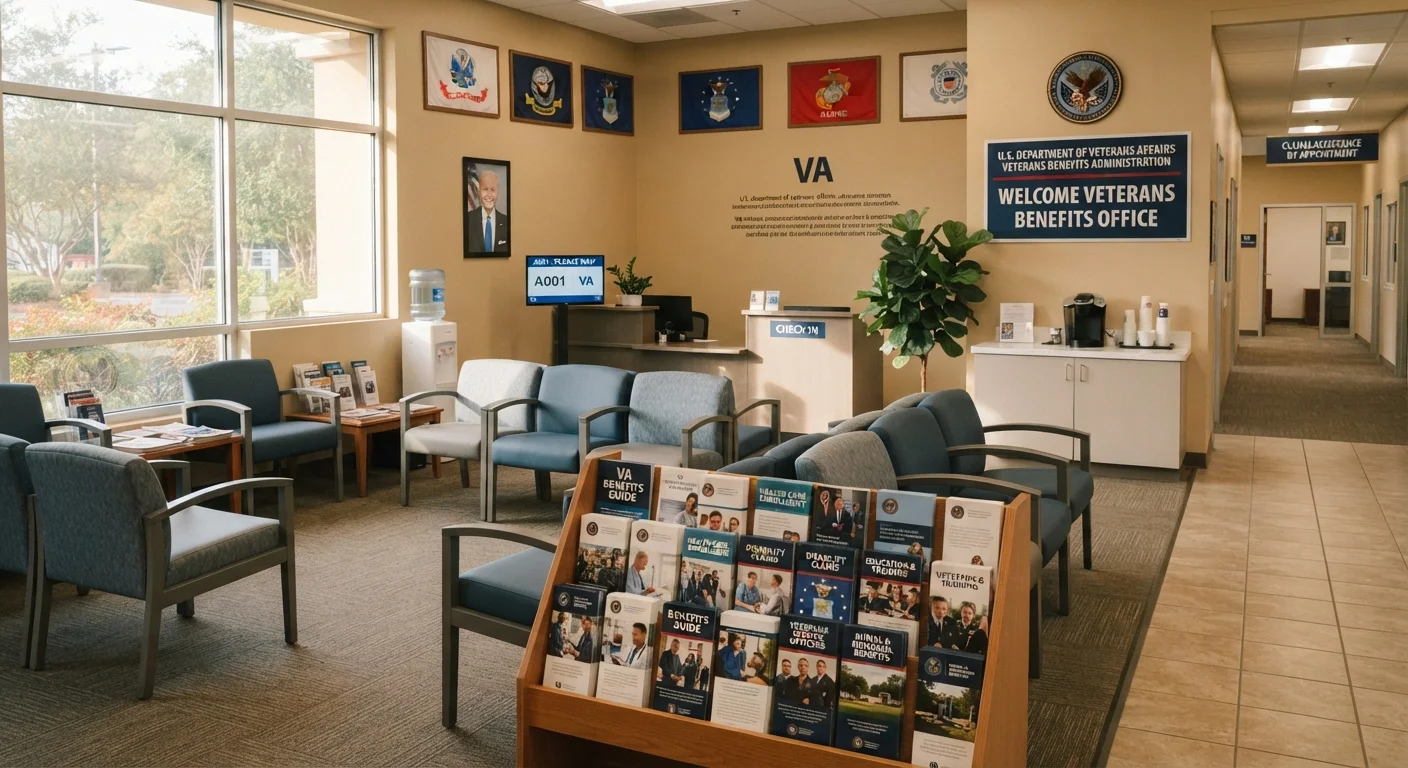
Applying for VA benefits does not have to be complicated, though it does require documentation. A VSO representative, often available through organizations such as the American Legion, the VFW, or the Disabled American Veterans, can help gather records, complete forms, and submit claims without charging a fee.
Veterans who need long-term care may also want to explore how VA programs interact with Medicaid. The rules around overlapping coverage are specific and worth reviewing carefully. The guide to Medicaid income and asset rules for seniors covers how those eligibility thresholds generally work.
For veterans considering a move to a care facility, reviewing what the VA covers in that setting before choosing a location is worth doing early. The checklist for evaluating nursing homes and assisted living facilities can be a helpful companion in that process.
This article is for general informational purposes only and does not constitute financial, legal, or medical advice. VA eligibility rules vary by individual circumstance. Contact a VA-accredited claims agent or Veterans Service Organization for guidance specific to your situation.