
What each setting actually provides
The terms "assisted living" and "skilled nursing facility" are often used interchangeably, but they describe meaningfully different levels of care.
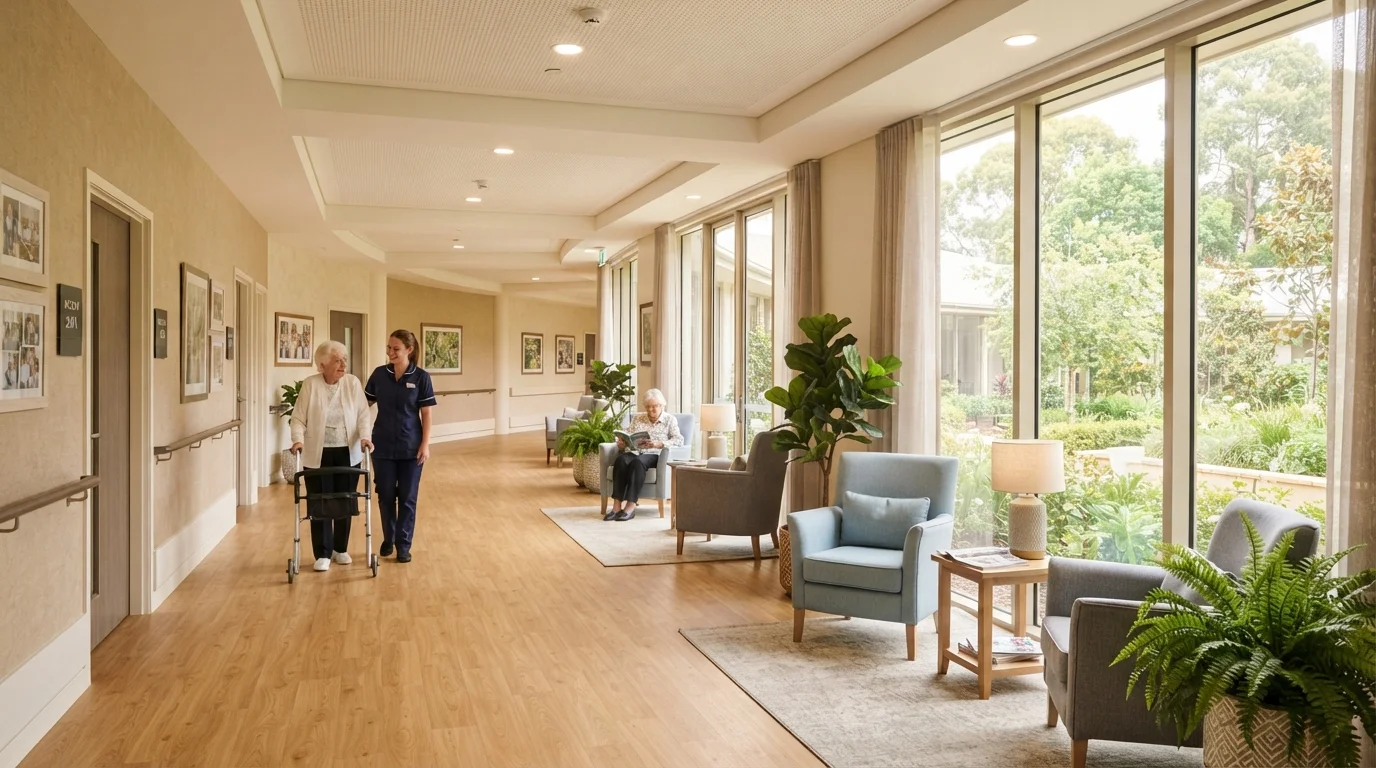
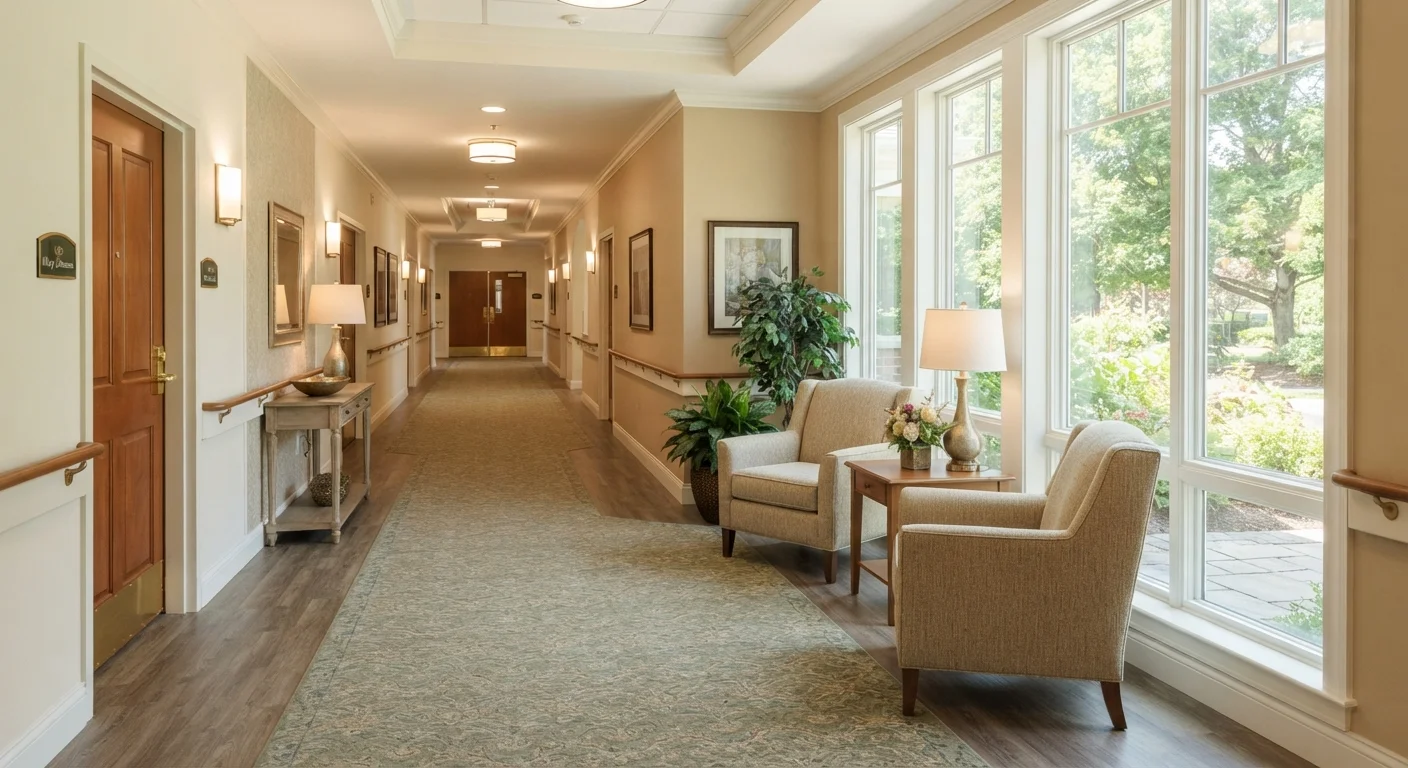
Assisted living communities are residential settings, often apartment-style, where staff help residents with ADLs such as bathing, dressing, grooming, and medication reminders. Meals, housekeeping, and social programming are typically included. A physician is not required to be on-site, and the environment is designed to feel like a home rather than a clinical space.
Skilled nursing facilities (SNFs) are licensed medical facilities. They employ registered nurses, licensed practical nurses, and therapists who provide care that goes beyond personal assistance. This includes wound care, intravenous medications, physical therapy, occupational therapy, and monitoring of unstable chronic conditions. Staff are present 24 hours a day, and the level of documentation and oversight is regulated by state and federal standards.

How medical need drives the decision
The clearest way to distinguish the two settings is by asking what kind of care the person actually needs each day.
If a person can make decisions independently, move around safely with minimal help, and has no condition requiring daily clinical monitoring, assisted living may be appropriate. Many residents in assisted living manage well with staff support and periodic visits from outside home health or medical providers.
When a condition requires skilled intervention, such as a recovering hip fracture, poorly controlled diabetes with daily insulin adjustments, or post-stroke rehabilitation, a skilled nursing facility is the setting equipped to manage it. The clinical staff at a SNF can also coordinate with physicians and specialists in ways that assisted living staff generally are not licensed or trained to do.
A physician or hospital discharge planner can assess which level of care fits a person's current condition. That assessment matters not only for safety but also for coverage eligibility.
| Criterion | Assisted Living | Skilled Nursing Facility |
|---|---|---|
| Primary focus | Personal care and daily support | Medical treatment and rehabilitation |
| Staffing | Caregivers, not required to be nurses | Licensed nurses on-site 24/7 |
| Medical oversight | Limited; outside providers visit | Ongoing clinical monitoring |
| Medicare coverage | Not covered | Short-term post-hospital stays |
| Medicaid coverage | Varies by state; limited | Available in most states |
| Setting feel | Residential, apartment-style | Clinical, institutional |
| Typical resident | Medically stable, needs daily help | Post-acute or complex medical needs |
What Medicare and Medicaid cover
Coverage differences between these two settings are significant and often misunderstood.
Medicare does not cover custodial care, which is the kind of ongoing personal assistance that assisted living provides. It may cover short-term stays in a skilled nursing facility following a hospital inpatient admission of at least three days, subject to specific time limits and copayments. After 100 days, Medicare SNF coverage ends regardless of ongoing need.
Medicaid is the primary public payer for long-term care, but eligibility and covered services vary by state. Most states cover skilled nursing facility care for Medicaid-eligible residents. Medicaid coverage for assisted living is less consistent: some states offer it through waiver programs, others do not. How income and asset rules work for Medicaid can affect whether a senior qualifies at all.
Long-term care insurance, if a person has a policy, may cover either setting depending on the policy terms. Reviewing the actual policy document with an insurance agent is the most reliable way to understand what is covered.
Medicaid waiver programs for assisted living
Some states use Home and Community-Based Services (HCBS) waivers to extend Medicaid funding to assisted living settings. These programs have enrollment caps and waiting lists in many states. A state Medicaid office or a local Area Agency on Aging can confirm what is available where you live.
Evaluating a specific facility
Once a care setting is identified, the work of choosing a specific facility begins. Both assisted living communities and skilled nursing facilities are regulated at the state level, and inspection reports are generally available to the public.
For skilled nursing facilities, the Centers for Medicare and Medicaid Services maintains a publicly accessible database called Care Compare, which includes inspection history, staffing levels, and quality measures. This is a useful starting point, though it reflects past performance rather than current conditions.
For assisted living, oversight is handled by state agencies, which vary considerably in how thoroughly they regulate and inspect facilities. Contacting the relevant state agency directly or visiting a facility in person gives families a clearer picture than online listings alone.
What to look for when evaluating a facility covers the specific questions and records worth reviewing before making a decision. For a broader view of where assisted living and skilled nursing fit within the full range of options, senior housing options across the care spectrum provides useful context.
This article is for general informational purposes only and is not a substitute for advice from a licensed healthcare provider, social worker, or financial adviser familiar with your family's specific circumstances.