

How the two cost structures actually work
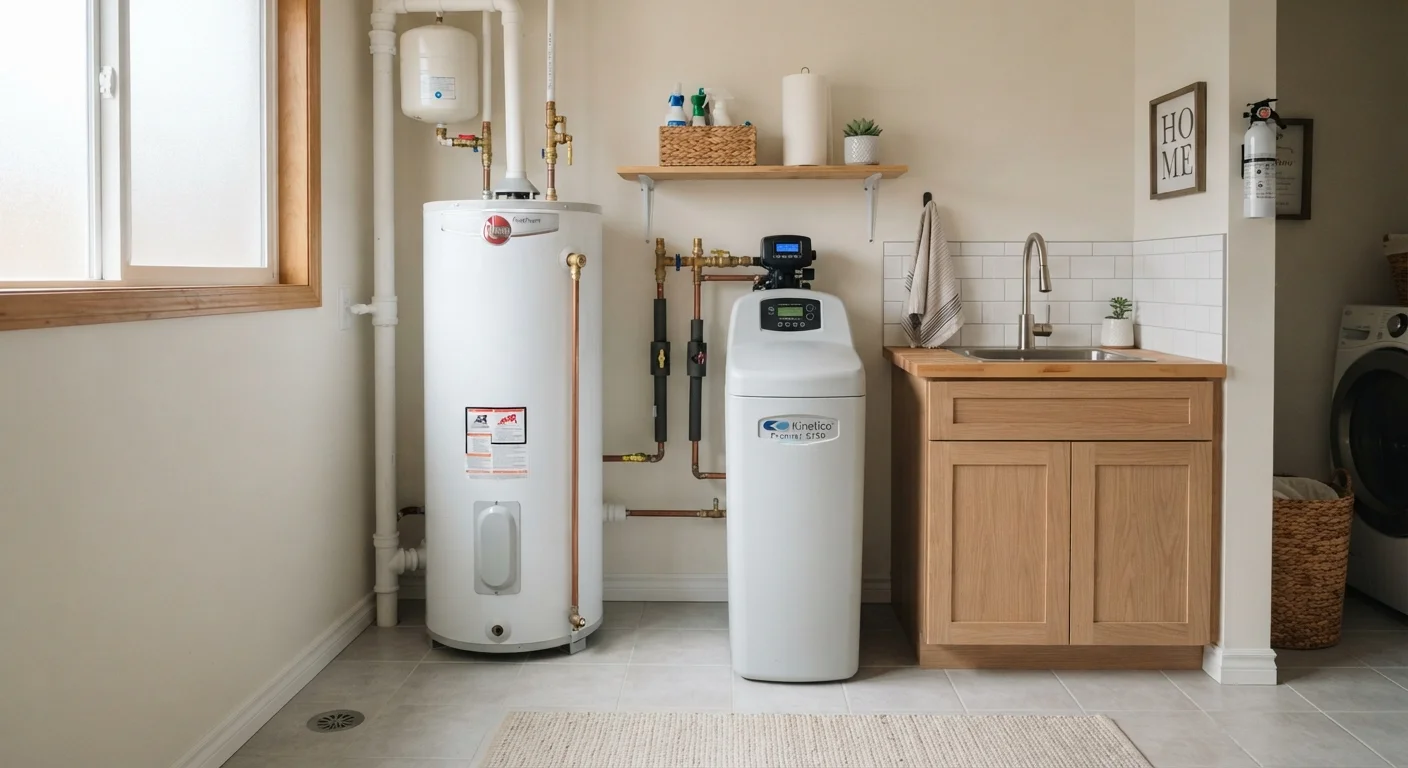
A water softener rental works like a subscription. You pay a fixed monthly fee, the provider owns the equipment, and the contract typically covers installation, routine maintenance, and repairs. If the unit fails, the provider replaces or fixes it. When you move, you return the equipment or transfer the agreement, depending on the terms.
Purchasing a unit means paying for the equipment outright or through financing, arranging installation (sometimes included by the retailer), and handling maintenance yourself. Salt refills are a regular ongoing cost regardless of whether you rent or own, because the softening process requires sodium or potassium chloride to recharge the resin beads that remove hardness minerals.
The financial gap between the two paths widens over time. A household paying $35 per month in rental fees spends $420 per year and roughly $2,100 over five years. A purchased unit in the $800 to $1,200 range, with annual maintenance and salt costs factored in, often comes in below that five-year rental total, though actual figures vary by unit, water hardness level, and local service rates.
What rental contracts typically include and exclude
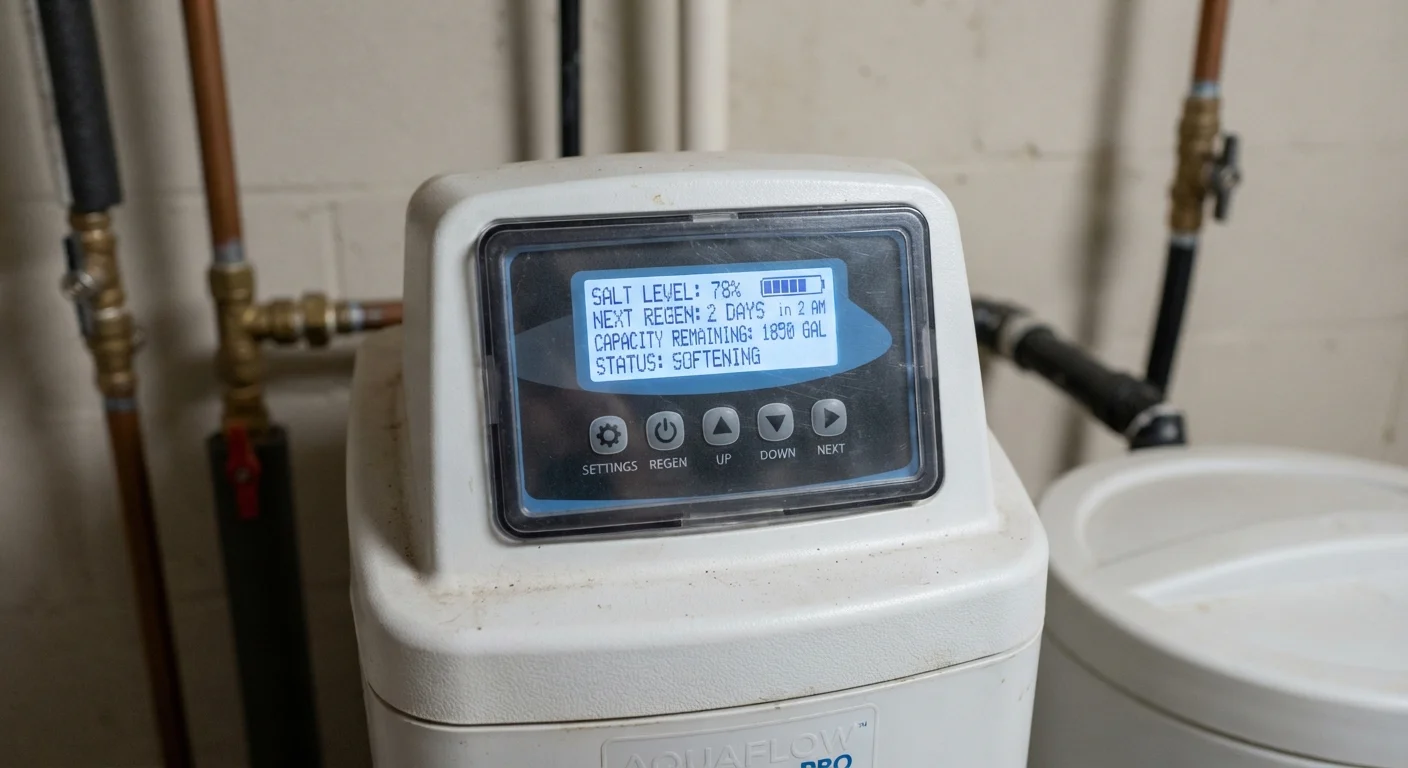
Rental agreements vary by provider, so reading the contract carefully before signing matters. Most include the unit itself, installation, and service calls for mechanical problems. Some cover salt delivery on a schedule; others do not. A few agreements include automatic equipment upgrades if newer models become available.
Common exclusions are damage caused by the homeowner, improper salt use, or plumbing modifications. Early termination fees are standard, and they can be substantial, sometimes equal to several months of remaining payments. If you are comparing rental offers, ask specifically about what happens at the end of the contract term and whether you have an option to purchase the unit at that point.
Check for transfer and buyout options
Some rental agreements let you purchase the unit after a set period, often at a reduced price. If you think you may want to own the unit eventually, ask about buyout terms before signing. Transfer clauses also vary: some agreements allow you to transfer the contract to a new homeowner when you sell, which can be a selling point or a complication depending on the buyer.
Ownership costs beyond the purchase price
Buying a unit is not a one-time expense. Salt is the most predictable ongoing cost: a typical household uses one to two 40-pound bags per month, at roughly $5 to $10 per bag depending on type and location. Resin beds, which do the actual softening work, can last 10 to 20 years but may need replacement earlier in households with very high iron content in their water. Control valves and seals occasionally need service.
If you are not comfortable with basic plumbing, installation and any future repairs will require a professional. Labor rates for plumbers vary widely by region. Some homeowners also need a water test before purchase to confirm their hardness level and choose an appropriately sized unit, which adds a small upfront step. Sizing matters: an undersized unit regenerates too frequently, wasting salt and water, while an oversized unit may not regenerate often enough to stay effective.
Factors that shift the decision
Water hardness is measured in grains per gallon (GPG). Households with very hard water (above 15 GPG) often see faster wear on appliances and plumbing, which can make a high-quality owned unit more cost-effective than a basic rental. Households with moderate hardness may find the difference in equipment quality less meaningful.
Your living situation matters as much as the water chemistry. Renters in apartments typically cannot install permanent softeners at all; under-sink or countertop alternatives exist, though they serve only a single tap. Homeowners who move frequently may find that owning a softener creates logistical complications, since removing and reinstalling a unit requires replumbing the bypass valve and transporting a heavy appliance.
Local water utility rates also interact with operating costs. Softeners regenerate by flushing the resin with a salt solution, which uses water. Some municipalities charge tiered water rates, and frequent regeneration in a hard-water area can add modestly to your water bill. Salt-efficient models that regenerate based on actual usage rather than a fixed schedule can reduce both salt and water consumption.