
How the Federal Reserve uses the rate as a policy tool
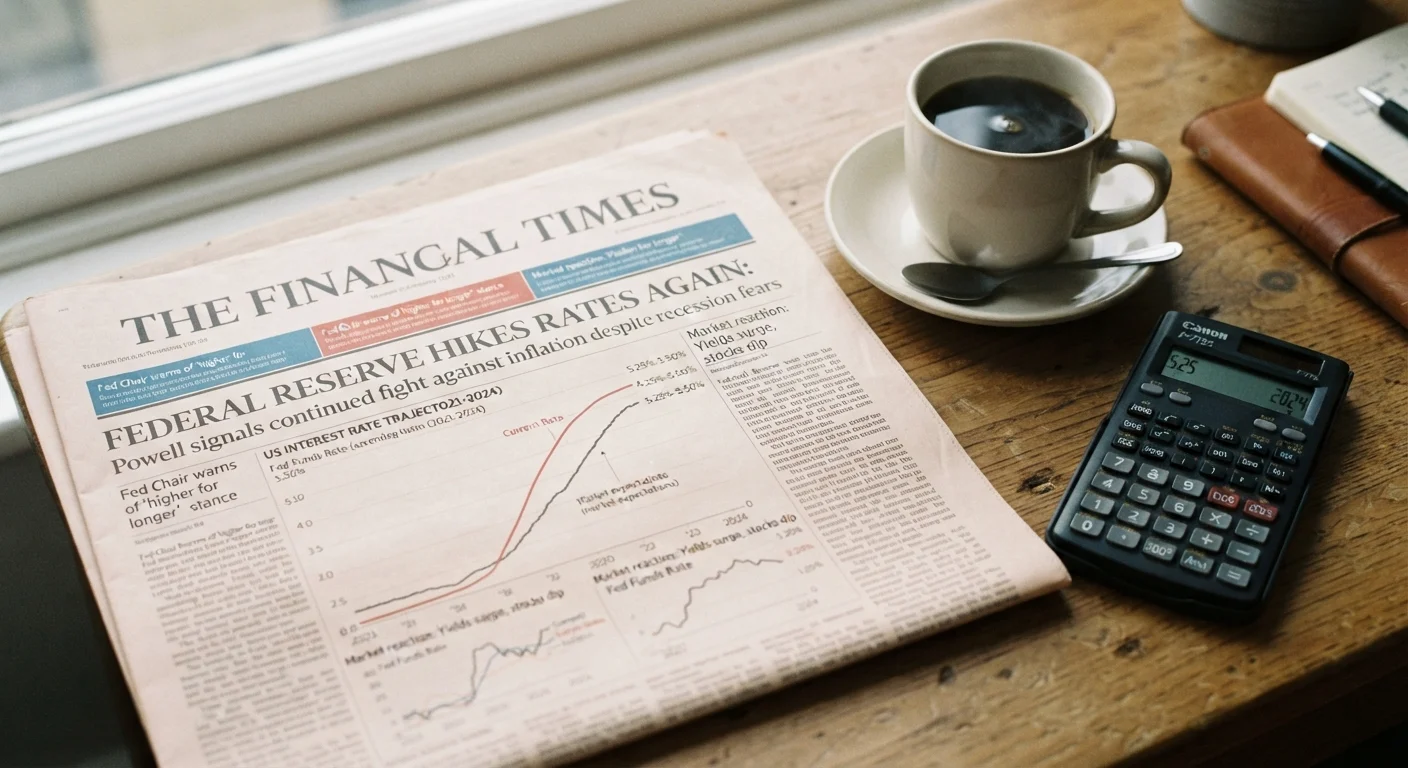
The Federal Reserve does not set the interest rates consumers pay directly. Instead, it sets a target range for the overnight rate banks charge each other. That target ripples outward through the financial system and eventually reaches car loans, credit cards, and savings accounts.
When the economy overheats and inflation rises above the Fed's 2% target, the FOMC typically raises the federal funds rate to make borrowing more expensive and slow spending. When the economy contracts or unemployment climbs, it may cut the rate to make credit cheaper and encourage activity. This is the core of monetary policy in the United States.
The Fed does not have a single lever for the whole economy. Its rate decisions work through a chain: the federal funds rate influences the prime rate (which large banks charge their most creditworthy customers), and the prime rate anchors many consumer products. For a plain-language breakdown of terms like prime rate and APR, see the personal finance glossary.
Which products feel the rate most quickly
Variable-rate products respond fastest. Credit card APRs are almost always pegged to the prime rate, which moves within days of a federal funds rate change. If you carry a balance month to month, a 0.50 percentage point increase in the federal funds rate can translate directly to a higher finance charge on your next statement.
Home equity lines of credit (HELOCs) work similarly. They carry variable rates tied to the prime rate, so existing borrowers see their monthly interest costs shift when the Fed moves.
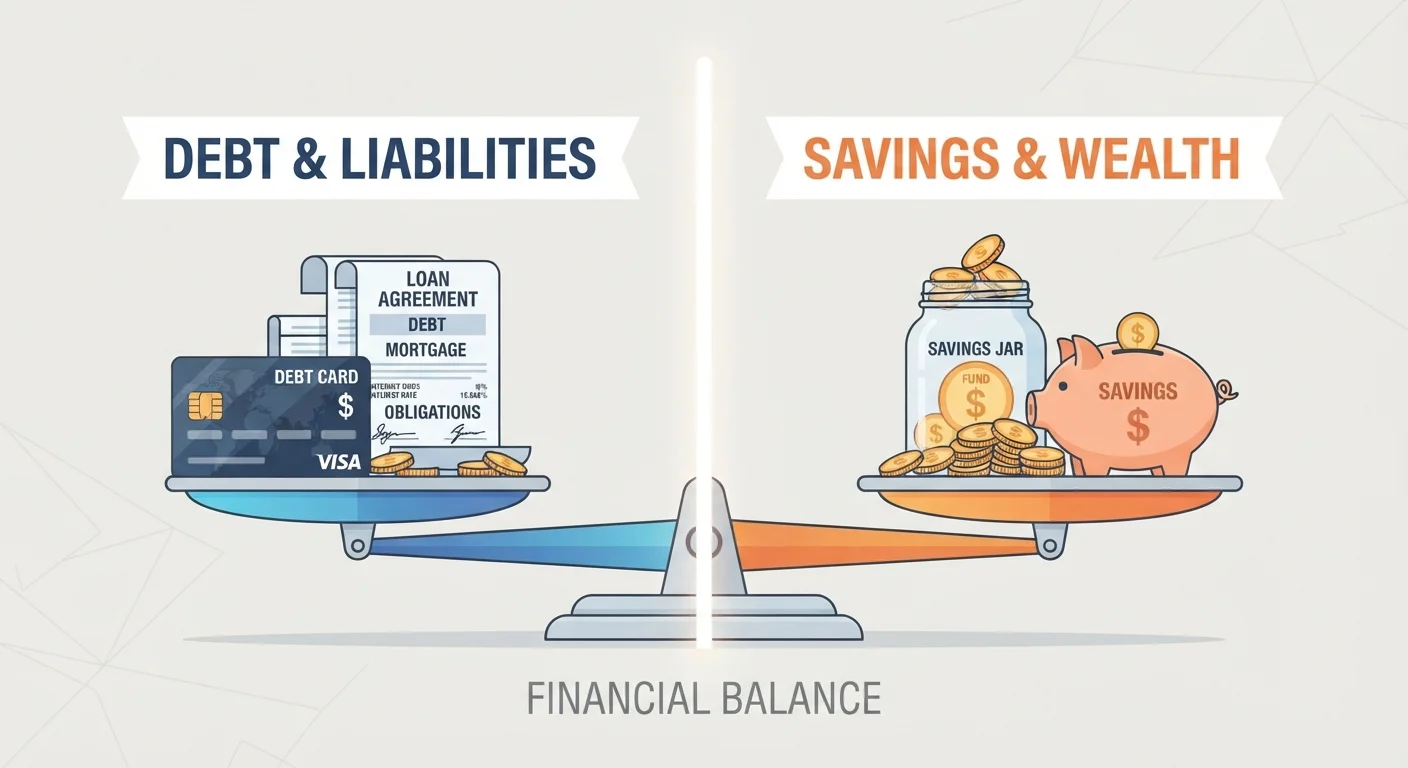
Auto loans and personal loans from banks are influenced by the rate environment but do not adjust automatically on existing fixed-rate contracts. New loans will reflect current conditions at the time of application. Federal student loan rates for new loans are set annually by Congress using Treasury yields as a benchmark, not the federal funds rate directly, though the two often move in the same direction.
8 times
FOMC meetings per year
The Federal Open Market Committee meets eight times annually, according to the Federal Reserve's published schedule.
2%
Fed's stated inflation target
The Federal Reserve has a long-run inflation target of 2%, as stated in its monetary policy framework documents.
Prime + spread
How most credit card APRs are set
Most variable-rate credit card agreements link the card's APR to the U.S. prime rate plus a margin, per standard consumer credit disclosures.
Fixed-rate mortgages and a common misconception
Many people assume that when the Fed cuts rates, mortgage rates fall immediately. That is often not true for 30-year fixed mortgages. Lenders price those loans primarily based on the 10-year U.S. Treasury yield, which responds to longer-term inflation expectations and investor demand rather than overnight lending rates. The federal funds rate and the 10-year yield tend to move in the same general direction over time, but they can diverge significantly in shorter windows.
Adjustable-rate mortgages (ARMs) are a different story. An ARM that resets annually to a spread above the Secured Overnight Financing Rate (SOFR) or the prime rate will reflect Fed changes at each adjustment date. Borrowers with ARMs should factor rate-cycle timing into refinancing decisions, ideally with guidance from a licensed mortgage professional.
What rate changes mean for savers
A rising rate environment has a benefit that borrowers rarely celebrate: savings account yields and certificate of deposit (CD) rates tend to improve. When banks can earn more by lending money at higher rates, they compete more actively for deposits, which can push up the annual percentage yield (APY) on savings products.
The response is not uniform. Large banks with stable deposit bases have historically raised savings yields more slowly than online banks or credit unions facing stiffer deposit competition. Comparing institutions when rates are rising is worth the time, since the difference in APY between an average and a competitive account can be meaningful over a year.
Money market accounts and short-term CDs are among the products most responsive to Fed rate moves on the savings side. Longer-term CDs lock in a rate at purchase, which can be an advantage when rates are expected to fall.
This article is for general informational purposes only and does not constitute personalized financial, investment, tax, or legal advice. Consult a licensed financial adviser before making decisions based on your individual circumstances.