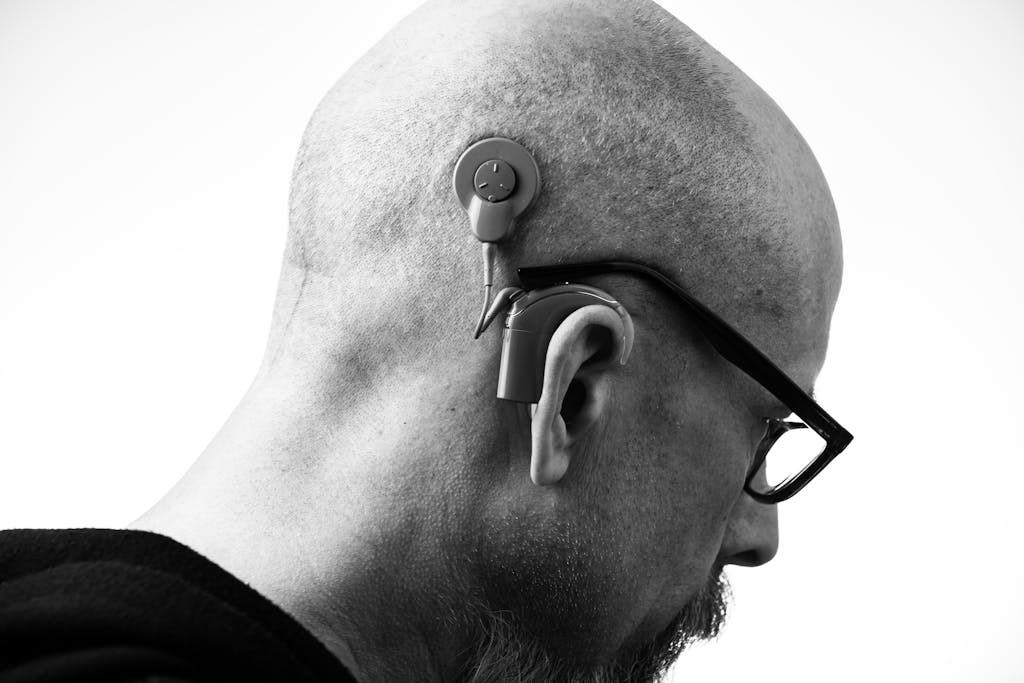
Hearing aids have a profound social impact on individuals dealing with chronic conditions. As a valuable health tool, hearing aids do more than just amplify sound; they can unlock the door to better health management and improve the quality of life. Particularly in managing chronic conditions, effective communication plays a crucial role. Here’s a look at how hearing aids positively contribute to this aspect.
Improving Self-care & Health Literacy
Hearing is a key conduit for receiving and understanding critical information related to one’s health. Individuals equipped with hearing aids are better positioned to understand their health requirements, follow healthcare instructions accurately, and actively participate in self-care processes. Without a clear line of communication, understanding healthcare advice can pose a real challenge, thereby hampering health literacy.
Enhancing Personal Relationships
The social impact of hearing aids extends beyond personal health management. By improving auditory capabilities, hearing aids foster better communication, ensuring that relationships with family and friends aren’t strained due to misunderstanding or lack of clarity. The perspicuity enhances companionship and emotional well-being, which can indirectly uplift an individual’s ability to manage chronic health conditions.
Facilitating Active Participation in Support Groups
An integrated part of effectively managing chronic conditions is being part of a community or a support group. To glean the intended benefits, active communication is vital. Hearing aids provide the ability to interact freely, understand shared experiences, learn from others, and find comfort in communal support.
Building Confidence and Autonomy
For individuals with hearing impairments, communication may often lead to embarrassment or frustration due to misunderstandings. This can result in self-imposed isolation, making chronic disease management an even greater burden. Hearing aids reclaim the confidence necessary for clear communication, enhancing autonomy and enabling better control over their health situation.
Ensuring Effective Patient-Provider Communication
Clear communication is crucial in a patient-provider relationship. Hearing aids ensure both parties exchange vital health information, understand each other’s perspectives, and agree on treatment plans effectively. This mitigates the risk of improper treatment due to miscommunication and plays an instrumental role in managing chronic conditions.
Alleviating Stress and Mental Fatigue
Listening can be mentally taxing, especially for those living with hearing impairments. Constantly straining to understand conversations can be tiring, leading to stress and mental fatigue that amplify health problems. Hearing aids can alleviate this strain, leading to improved mental health, which is vital in managing chronic conditions.